
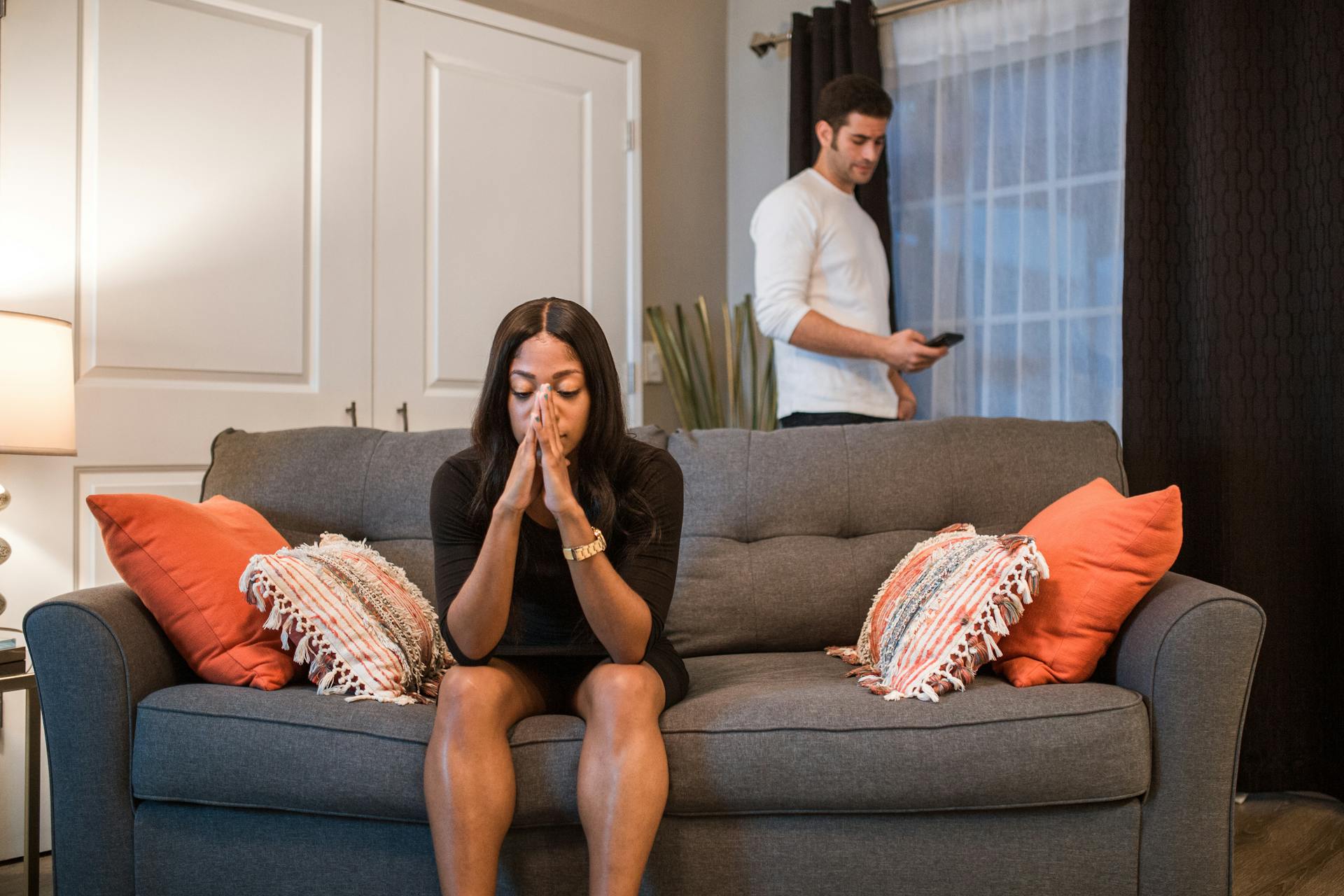
Hey there, grab your coffee – or wine, depending on how this hits you – because we’re diving into something that’s probably kept you up at night more times than you’d like to admit. You know that nagging feeling where it seems like you’re the only one rowing the boat in your relationship? Like, you’re planning the dates, sending those sweet texts, apologizing even when you’re not sure what for, and your partner? They’re just… along for the ride. Yeah, that. If you’re reading this, odds are you’ve typed something like “why am I the only one trying in my relationship” into Google at 2 a.m., hoping for some magic answer. Spoiler: There isn’t magic, but there is truth, and it’s harsher than most folks want to face.
I’ve been there myself, more than once. Back in my early 20s, I was in this relationship with a guy who was great on paper – funny, ambitious, the kind who could make a room laugh. But man, it felt like I was directing a one-woman show. I’d suggest weekend trips, cook his favorite meals after long days, and even remember his mom’s birthday with a card. Him? He’d show up, sure, but initiating? Nah. It started small, like forgetting to text back, but snowballed into me feeling like the relationship’s full-time manager. And let me tell you, that exhaustion? It’s real. It’s not just “relationship effort imbalance” or some clinical term – it’s soul-sucking.
In this first part of our chat (we’ll get to solutions in part two, promise), we’re gonna unpack the problem. Why does it feel like you’re always the one trying? What are the sneaky signs that creep in before you even realize? And the big one: What’s the harsh truth most people ignore that keeps them stuck in this loop? We’ll break it down step by step, with some real-talk stories from my life and others I’ve heard over endless brunches with friends. Because if you’re searching for “one-sided relationship signs,” you’re not alone – millions feel this way, and ignoring it only makes it worse.
The Slow Burn: How It Starts Without You Noticing
Relationships don’t go lopsided overnight. It’s like that frog in boiling water analogy – the heat turns up so gradually, you don’t jump out until you’re cooked. Think about it: At the beginning, everything’s fireworks. You’re both excited, both putting in effort because it’s new and shiny. But as time ticks on, life gets in the way – work stress, family drama, that Netflix binge that turns into a habit. And somehow, one person starts picking up the slack.
I remember chatting with my friend Sarah about this. She was with her boyfriend for three years, and it started innocently. He’d had a rough patch at work, so she stepped up: More emotional support, more planning to cheer him up. “It’s just temporary,” she thought. But temporary turned permanent. Soon, she was the one always saying, “Hey, let’s talk about our day,” while he scrolled through his phone. If you’re wondering “am I in a one-sided relationship,” ask yourself: Has the effort become your default job?
This imbalance often stems from mismatched expectations. Maybe you grew up seeing your parents where one was the “doer” and the other the “receiver,” so it feels normal. Or perhaps your partner has avoidant attachment – you know, that psychology buzzword where people pull back from closeness because it scares them. Whatever the root, it leads to you overcompensating, thinking if you just try harder, they’ll match you. Harsh truth incoming: They won’t, not without a wake-up call. And ignoring this? It builds resentment like a pressure cooker.
Keywords like “emotional labor in relationships” pop up a lot in searches, and for good reason. You’re not just doing the fun stuff; you’re carrying the mental load – remembering anniversaries, managing conflicts, even keeping the spark alive. It’s exhausting, and it chips away at your self-worth. Ever caught yourself thinking, “If I stop trying, will it all fall apart?” That’s the trap. You’re essentially parenting the relationship, and no one signs up for that.
10 Sneaky Signs You’re the Only One Rowing the Boat
Alright, let’s get specific. If you’re Googling “signs of a one-sided relationship,” here’s the rundown, but with a twist – I’ll weave in some stories to make it hit home. These aren’t just bullet points; they’re red flags I’ve seen wave in my own life and others’.
First off, you’re always the initiator. Texts? You. Calls? You. Plans for the weekend? Yep, you again. My ex was a pro at this – I’d suggest a movie night, and he’d say, “Cool,” but never once flipped the script. It feels like rejection wrapped in laziness.
Second, conversations are one-way streets. You ask about their day, dive deep into their stresses, but when it’s your turn? Crickets or a quick “That sucks.” It’s like talking to a wall that occasionally nods. A buddy of mine described it as “emotional vampirism” – they suck your energy without giving back.
Third, apologies are your specialty, even when it’s not your fault. Just to keep peace, you’re the one saying sorry. I did this for months, thinking it made me the bigger person. Newsflash: It just enables their avoidance.
Fourth, you’re the planner and compromiser. Date ideas, vacations, even what to watch on TV – it’s all on you. If they do suggest something, it’s rare and feels like a favor. This ties into “relationship effort imbalance,” where one person’s laziness becomes the norm.
Fifth, emotional support is lopsided. You’re their rock during tough times – job loss, family issues – but when you’re down? They’re “busy” or offer half-hearted advice. It’s lonely, right? Like being in a team of one.
Sixth, intimacy feels forced. Not just physical, but emotional too. You’re the one reaching for connection, while they seem content with surface-level stuff. Searches for “why my partner doesn’t try anymore” spike here, and it’s often because complacency sets in.
Seventh, future talks are dodged. You bring up goals, kids, moving in – they change the subject. It’s a sign they’re not invested long-term, leaving you to dream alone.
Eighth, their friends and family get more effort. They light up for game nights with buddies but flake on your stuff. Ouch. It highlights where their priorities lie – not with you.
Ninth, you make excuses for them. To friends, to yourself: “He’s just stressed.” But deep down, you know it’s a pattern. This is where “ignoring red flags in relationships” comes in – we all do it to avoid the pain.
Tenth, you’re exhausted. Physically, mentally. Carrying the relationship solo drains you, leading to burnout. If “relationship fatigue” is your daily vibe, it’s time to pause.
These signs aren’t exhaustive, but if more than a few ring true, you’re in the thick of it. And the harsh truth? Most people ignore them because admitting it means change, and change is scary.
Why This Happens: Digging Into the Roots
So, why does one person end up trying harder? It’s not always malice; sometimes it’s inertia. Partners get comfortable, assuming you’ll keep things afloat. But let’s peel back the layers.
Attachment styles play a huge role. If you’re anxious-attached, you might over-give to feel secure. Avoidants pull back, creating a chase dynamic. I learned this the hard way – therapy helped me see my patterns. Books like “Attached” by Amir Levine explain it better than I can, but basically, mismatched styles breed imbalance.
Then there’s societal stuff. Women often shoulder more emotional labor, thanks to outdated norms. Guys, too – if you’re the “provider” type, you might overdo it without realizing. Cultural expectations whisper that one person should “fix” things, but that’s BS.
Past traumas factor in. If your partner had rocky relationships before, they might withhold effort to protect themselves. Or maybe they’re depressed, and trying feels impossible. Empathy is key, but not at your expense.
Narcissism or selfishness? Sometimes, yeah. Not everyone is a full-blown narc, but self-centered folks thrive on your effort without reciprocating. Harsh truth: If they’re capable elsewhere (work, hobbies) but not with you, it’s a choice.
Complacency is the silent killer. Long-term relationships can turn routine, and without intentional effort, one person defaults to autopilot. You try to reignite, they don’t notice. It’s like screaming into a void.
External factors: Stress from jobs, money woes, health issues. These can temporarily tip the scales, but if it’s chronic, it’s a problem. My friend Mark went through this – his wife’s career boom left him handling everything at home, and resentment built.
Ultimately, the harsh truth most ignore: You’re enabling it. By always stepping up, you teach them they don’t have to. It’s a cycle, and breaking it starts with seeing it clearly.
The Emotional Toll: Why It Hurts So Damn Much
Feeling like the only one trying isn’t just annoying; it wrecks you. Let’s talk impact, because if you’re searching “effects of one-sided relationships,” you know the pain.
First, resentment builds. Small annoyances turn into seething anger. You snap over dumb stuff, like unwashed dishes, but it’s really about the imbalance.
Self-doubt creeps in. “Am I not worth the effort?” It’s brutal. I spent nights wondering if I was too needy, only to realize no – basic reciprocity isn’t needy.
Isolation hits. You pull away from friends because explaining feels embarrassing. “Why stay?” they ask. You don’t have a good answer.
Physical health suffers. Stress leads to insomnia, headaches, even weight changes. Studies (yeah, I’ve read ’em) link unbalanced relationships to higher cortisol levels – that’s stress hormone city.
Mental health tanks. Anxiety, depression – it’s common. You’re constantly overthinking: “What if I stop? Will they leave?” That fear keeps you trapped.
Intimacy dies. Emotional distance kills the spark. Sex becomes mechanical, if it happens at all. It’s lonely in a crowded bed.
Long-term? You lose yourself. Hobbies fade, goals stall, because you’re too busy maintaining the relationship. It’s like pouring from an empty cup.
Harsh truth: Ignoring this erodes your happiness. People stay for “potential” or fear of alone-ness, but staying in mediocrity is worse than starting over.
Real Stories: You’re Not Alone in This
To make this real, let’s share some anecdotes. Names changed, but the feels are legit.
Take Lisa, a colleague. She was with Tom for five years. She handled all holidays, gifts, even his doctor’s appointments. Tom? Loved her, but effort? Minimal. She ignored it until a couples’ trip where she planned everything, and he complained about the hotel. Boom – realization hit. “I was his mom, not his partner,” she said.
Or Jake, a guy friend. His girlfriend was ambitious, always working late. He cooked, cleaned, supported her dreams. But reciprocation? Zilch. He felt invisible. “It’s emasculating,” he admitted over beers. Harsh truth: Gender doesn’t matter; imbalance hurts everyone.
My own story: After that ex, I dated someone who matched my energy at first. But post-honeymoon phase, I was back to initiating. I ignored it, thinking “relationships take work.” But work from both sides, right? Ending it was hard, but freeing.
These stories show patterns. If you’re thinking “that’s me,” take comfort – awareness is step one.

The Harsh Truth We All Dodge
Here’s the gut-punch: The harsh truth most people ignore is that if they’re not trying, they don’t want to. Not enough, anyway. Love without effort is just words. You can’t force reciprocity; it’s either there or it’s not.
We ignore this because admitting it means facing possible endings. Sunk cost fallacy – “I’ve invested so much time.” But time wasted is better than more wasted.
Also, hope. We cling to “maybe they’ll change.” They might, but only if motivated. Your over-trying removes that motivation.
Cultural myths fuel it: “Love conquers all.” Nah, effort does.
If you’re still with me after all that, I know exactly how you’re feeling right now—kinda raw, maybe a little angry, and definitely tired of carrying the load alone. Spotting these signs and facing that harsh truth isn’t easy; it stirs up everything we’ve been pushing down for months (or years). But here’s the thing: recognizing the mess is the hardest part. Once you see it clearly, you finally get to do something about it. You don’t have to stay stuck wondering “why am I the only one trying?”—because the real power comes next. In the second half of this post, we’re shifting gears from diagnosis to action. We’ll talk about how to actually break the cycle, have the conversations that matter, set boundaries that stick, figure out if real change is possible, and—when necessary—how to walk away without losing yourself. No sugarcoating, no fake “just love harder” advice. Just realistic steps that have worked for me and so many others who’ve been exactly where you are. Ready? Let’s get you some relief.
If you’re sitting there with your coffee, thinking “Okay, I see the signs, now what?” – this is for you. We’ll cover how to have the hard conversations, set boundaries that stick, decide if change is possible, and yeah, how to know when it’s time to let go. I’ve been through this cycle myself, watched friends navigate it, and even coached a few people out of the same mess. Let’s get into it.
First Things First: Stop the Over-Trying Cycle (Right Now)
Before you talk to your partner, you’ve got to stop doing all the heavy lifting. This is the single biggest shift, and it’s scary as hell because it feels like you’re risking the whole relationship. But hear me out: By always stepping in, you’re training them that they don’t have to.
Start small. Don’t text first for a couple days. Let the silence sit. Don’t plan the next date – see if they notice. Don’t apologize for something that isn’t your fault. I did this in my own situation. I went cold turkey on initiating for a week. Guess what? The relationship didn’t implode. But it did get quieter, and that quiet forced us both to face the imbalance.
My friend Sarah (remember her from Part 1?) did the same. She stopped asking “How was your day?” every night. After three days, her boyfriend finally asked, “You okay? You’ve been quiet.” That was the first crack in the wall – he noticed the absence of her effort.
The goal here isn’t punishment. It’s clarity. You’re giving them space to step up. If they do, great. If they don’t, you’ve got your answer without a big fight.
Pro tip: Track it mentally. Make a note of what you stop doing and what happens. It’ll help you stay objective when emotions hit.
The Hard Conversation (How to Have It Without Losing Your Mind)
Okay, you’ve pulled back a bit. Now it’s time to talk. Not a “we need to talk” ambush – that freaks people out. Instead, pick a calm moment and frame it around feelings, not blame.
Script something like this (tweak it to sound like you):
“Hey, I’ve been feeling like I’m carrying most of the emotional weight in our relationship, and it’s wearing me down. I love you, and I want us to work, but I need to see more effort from you too – like you initiating plans, checking in on me, or just showing up emotionally. Can we talk about how we can balance this better?”
Key elements:
- “I” statements: “I feel…” instead of “You never…”
- Specific examples: Not “You don’t care,” but “Like when I planned our anniversary and you didn’t suggest anything, it made me feel alone.”
- No ultimatums yet: Save that for later if needed.
- Open-ended: Ask for their thoughts.
I had this talk with a partner once. I was shaking. He listened, said he didn’t realize how bad it was, and we made a plan: He’d plan one date a month, I’d stop over-apologizing. It wasn’t perfect, but it was progress.
What if they get defensive? Most people do at first. Stay calm. Say, “I’m not attacking you; I’m telling you how I feel so we can fix this together.” If they shut down or gaslight (“You’re being dramatic”), that’s data. It shows they’re not ready to own their part.
Setting Boundaries That Actually Stick
Boundaries are where the rubber meets the road. They’re not punishments – they’re self-respect in action.
Examples that work:
- “If you don’t respond to my texts for days without a reason, I’ll assume you’re not interested and pull back too.”
- “I won’t keep planning everything. If you want to spend time together, let’s figure out who’s initiating next.”
- “I need emotional support when I’m struggling. If you can’t give it, I’ll lean on friends instead.”
Then enforce them. If they cross the line, follow through – no empty threats. I once told a partner I wouldn’t wait up for him anymore if he kept canceling plans last minute. He did it once more, and I went to bed early. He was shocked. But after that, he started respecting my time.
Boundaries protect your energy. They also show your partner what you’ll accept. If they care, they’ll adjust. If not, you’ll see it clearly.

When Change Is Possible (And When It’s Not)
Real talk: Some people can change. Others won’t. How do you know?
Green flags for change:
- They own it: “You’re right, I’ve been checked out. I want to do better.”
- They take action quickly: Not just words – actual steps (planning dates, asking about your day, therapy if needed).
- Consistency over time: One good week isn’t enough. Look for sustained effort.
Red flags that it’s probably not fixable:
- Deflection: “You’re too sensitive” or “All relationships are like this.”
- Promises without action: “I’ll try harder” but nothing changes.
- Blame-shifting: “You’re the one who’s always busy.”
- No empathy: They dismiss your feelings.
My ex? He said all the right things in the moment but never followed through. I stayed another six months hoping. Lesson learned: Actions > words, every time.
If they’re willing to work, consider couples counseling. It’s not a failure – it’s a tool. I know people who saved their relationships this way. If they refuse, that’s your answer.
The Brutal Decision: When to Walk Away
This is the part no one wants to hear, but it’s the truth most ignore: Sometimes the kindest thing you can do is leave.
Signs it’s time:
- You’ve tried everything – conversations, boundaries, giving space – and nothing changes.
- You’re losing yourself: Friends, hobbies, confidence – all fading.
- The relationship feels more like a burden than a joy.
- You’re staying out of fear (of being alone, starting over, what others will think).
Walking away hurts like hell. I cried for weeks when I ended my last one-sided thing. But on the other side? Freedom. I started dating someone who matched my energy from day one. It was night and day.
If you’re scared of alone-ness, remember: Being alone is better than being lonely with someone.
Rebuilding After the Imbalance
Whether you stay and fix it or walk away, you’ll need to heal. Here’s what helps:
- Therapy: Seriously, it’s gold for breaking patterns.
- Lean on friends: Tell them the truth. They’ll remind you you’re not crazy.
- Rediscover yourself: Pick up that hobby you dropped, go to that class, travel solo.
- Date yourself first: Sounds cheesy, but it works. Treat yourself like you deserve.
I spent a year single after my last breakup. I got strong, clear on what I wanted. When I met my current partner, I knew exactly what effort looked like – and he gave it without me asking.
Wrapping This Up (With Hope)
Look, relationships aren’t supposed to feel like a solo mission. You deserve someone who shows up, initiates, cares about your feelings, and matches your effort. If they’re not doing that, it’s not your job to fix them – it’s your job to protect your heart.
You’ve got the signs from Part 1. You’ve got the tools here. Now it’s on you to decide: Do you fight for this with real change, or do you fight for yourself by letting go?
Either way, you’re not alone. Millions of us have been right here, feeling the same ache. And we’ve come out stronger. You will too.
You’ve got this. Seriously. If you’re reading this and it’s hitting hard, drop a comment or message a friend. We’re all in this together.

Leave A Comment