
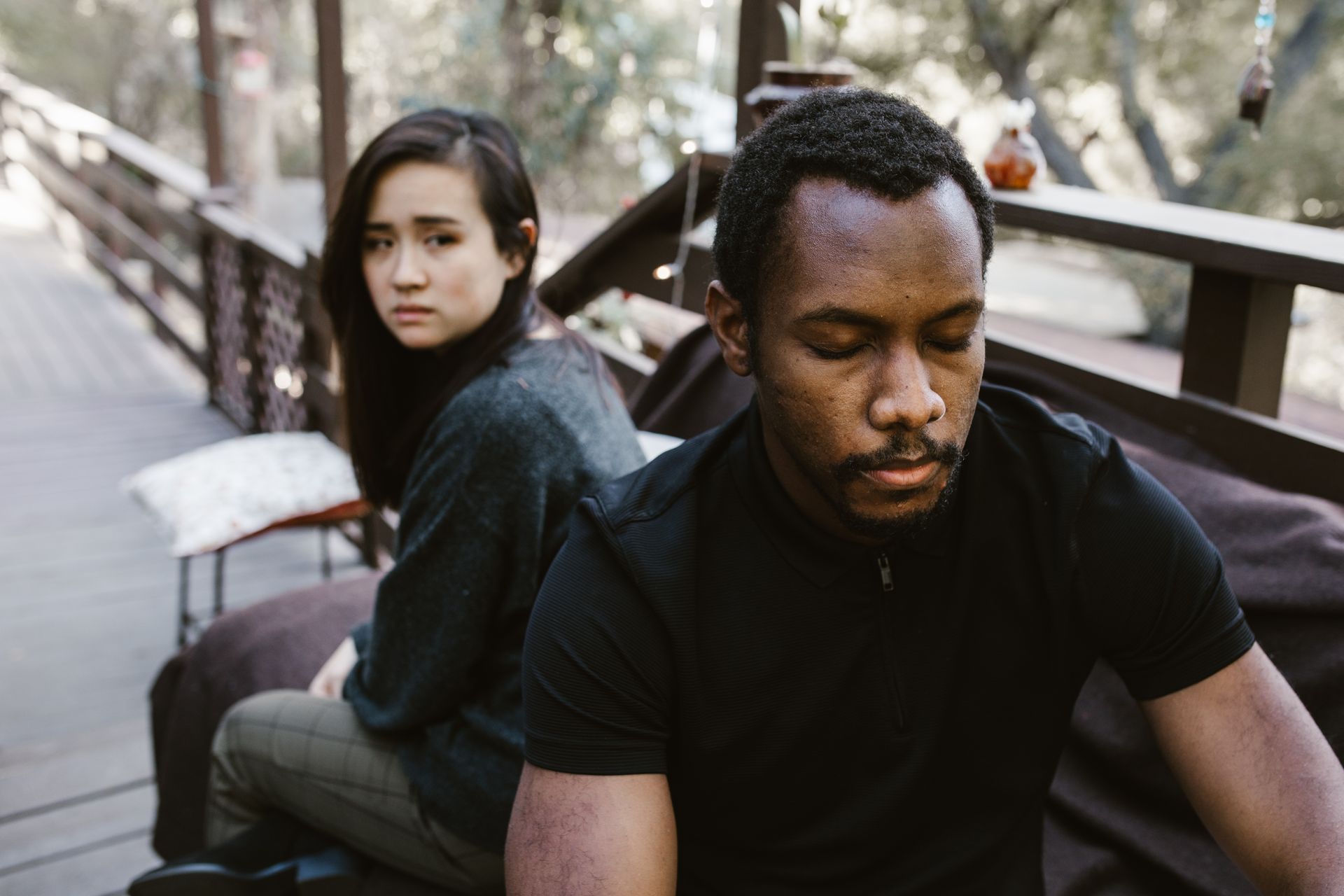
Let’s stop romanticizing the ache. We have this deeply ingrained, almost cultural habit of treating unrequited love like it’s some tragic, beautiful poetry. We write songs about it, we make movies about it, and we convince ourselves that the sheer volume of our pain is proof of how profound the connection is. But if we strip away the cinematic filter and look at the raw, unpolished reality, being attached to someone who doesn’t choose you isn’t a grand romantic tragedy. It’s just a self-inflicted wound that you keep picking at because you’ve convinced yourself the scab is a diamond.
You are reading this because you are tired. You are tired of the mental gymnastics, the late-night post-mortems, and the exhausting, quiet panic that sets in when you realize they still haven’t made up their mind about you. You’re sitting there with your phone at 1:47 a.m., analyzing a text that says “haha yeah, maybe” like it’s a legal document. You’ve shown it to two friends. You know, somewhere underneath all of it, that “haha yeah, maybe” is not a love letter. But the analysis continues, because the alternative is accepting what it actually means. You want to know why you can’t just let go. You want to understand why, when faced with someone who is actively choosing not to be with you, your brain’s response is to hold on tighter.
Here is the aggressive, unvarnished truth that no one wants to tell you when you are deep in the trenches of longing: you are not attached to them because they are your soulmate. You are not attached to them because the universe has a grand, mysterious plan to bring you together if you just love them hard enough. You are attached to them because of your own unhealed ego, your addiction to potential, and a deeply buried fear of what actual, safe intimacy looks like.
Let’s start with the ego, because it is the ugliest part of this whole equation and the one we try to hide behind the mask of pure, selfless love. When someone doesn’t choose us, it triggers a primal, almost physical panic. It feels like a direct indictment of our worth. If they are walking away, or keeping you at arm’s length, or giving you mixed signals, the subconscious mind immediately translates that into: *I am not enough.*
So, what do you do? You stay attached. You stay in the waiting room. You convince yourself that if you can just figure out the puzzle of them, if you can just be a little more patient, a little more understanding, a little more perfect, they will finally see your value and choose you. But look closely at what is actually happening here. You aren’t trying to build a partnership; you are trying to win a validation contest. You are using their eventual choice as a mirror to prove to yourself that you are lovable. That is not love. That is a hostage situation where you are both the captor and the captive. You are holding your own self-worth hostage, waiting for someone else to hand you the key. And the brutal reality is that the person holding the key doesn’t even realize they have it, because they aren’t looking at you the way you are looking at them.
Then there is the addiction to potential. This is the silent killer of moving on. You are not actually in love with the person standing in front of you. The person standing in front of you is showing you exactly who they are. They are showing you their hesitation, their inconsistency, their inability to commit to you. But you aren’t looking at them. You’ve been in a relationship with a highlight reel while the actual human being has been quietly showing you who they are in the gaps between the highlights.
You take the tiny crumbs of attention they give you—a lingering look, a deep conversation at 2 AM, a random text out of the blue—and you use those crumbs to build a feast. You project all your unmet needs, your deepest desires, and your highest hopes onto them. You think, *If they would just choose me, they would be the partner I’ve always wanted.* But that’s a lie. If they chose you, they would still be the same person who kept you in limbo. They would still have the same flaws, the same avoidant tendencies, the same inability to meet you where you are. You are grieving a future that never actually existed, and you are letting a very real, very present opportunity pass you by because you are too busy staring at a mirage.
We also need to talk about the absolute toxicity of hope in this specific context. We are taught that hope is a virtue. But when you are attached to someone who doesn’t choose you, hope is a poison. It is the exact mechanism that keeps you paralyzed. Hope tells you that their silence is just them being busy. Hope tells you that their mixed signals are just them being scared, and that your love will heal their fear.
But hope, in this scenario, is just a refusal to accept reality. It is a defense mechanism designed to protect you from the sharp, immediate pain of rejection. Because as long as you are hoping, you don’t have to grieve. You don’t have to face the void. You don’t have to do the hard, unglamorous work of rebuilding your life without them in the center of it. You are choosing the dull, chronic ache of uncertainty over the sharp, acute pain of a final goodbye. And every time you choose hope, you are actively choosing to disrespect your own time and your own emotional well-being.
Let’s get even more uncomfortable. Sometimes, we stay attached to unavailable people because being in love with someone who doesn’t choose us is actually incredibly safe. Think about that. If you are entirely consumed by longing for someone who is out of reach, you never actually have to do the terrifying work of being in a real relationship. Real relationships are messy. They require compromise. They require you to show up, flaws and all, and risk being truly seen and potentially rejected on a daily basis.
Pining doesn’t require any of that. Pining is entirely contained within your own mind. It is a solo performance. You can romanticize the person, curate the memories, and control the narrative because they aren’t actually there to challenge you. By keeping your heart tethered to someone who doesn’t choose you, you are subconsciously protecting yourself from the vulnerability of actual intimacy. You are using them as a shield against the scary, unpredictable nature of real love. It’s easier to cry over someone who isn’t there than it is to navigate the complex, frustrating, beautiful reality of someone who is.
And we have to address the absolute delusion of translating mixed signals. If you are attached to someone who doesn’t choose you, you have likely spent hundreds of hours decoding their behavior. You’ve analyzed the tone of their voice, the timing of their replies, the specific emojis they use. You have convinced yourself that their hesitation is actually a deep, unspoken passion that they are just too afraid to admit.
Here is the aggressive truth: mixed signals are just a no. Confusion is a no. If someone wants to be with you, they will be with you. It is not that complicated. People make time for what they value. People make space for who they want. When someone keeps you on the periphery of their life, giving you just enough attention to keep you hooked but not enough to make you feel secure, they are making a very clear choice. They are choosing to keep their options open. They are choosing the comfort of your attention without the responsibility of your commitment. Stop translating their convenience into your destiny. Stop romanticizing their breadcrumbs. Feelings are cheap and invisible. Choice is expensive and visible, and the fact that they keep paying in the cheap currency tells you exactly what they’re willing to spend. A person who is truly meant for you will not leave you guessing. The very fact that you are guessing is the answer.
There is also the sunk cost fallacy of the heart. You have invested so much time, so much emotional energy, so many tears, and so many sleepless nights into this attachment that walking away feels like admitting defeat. You feel like if you let go now, all that suffering was for nothing. But emotional investment doesn’t work like a casino. The more you put into a slot machine that is rigged against you, the more you lose. The time you have already spent pining for them is gone. It is a sunk cost. The only question that matters is what you are going to do with the time you have left.
This attachment is also deeply tied to your identity. When you have spent months or years being the person who loves the unlovable, the person who waits, the person who understands them better than anyone else, it becomes a core part of who you are. Letting go of them means letting go of that identity. It means waking up one day and realizing you are just a regular person, not the tragic hero of a grand, unrequited love story.
You are attached to them because you have outsourced your emotional regulation to their presence. When they give you attention, you are high. When they pull away, you crash. You have handed them the remote control to your nervous system, and you are sitting on the floor waiting for them to change the channel. You have forgotten how to generate your own joy, your own peace, your own sense of stability. You think they are the source of your happiness, but they are just the stimulus for your anxiety.
So, where does this leave us? It leaves us at the bottom of the rabbit hole, staring at the ugly, uncomfortable truth. You are not trapped by some magical, unbreakable cosmic bond. You are trapped by your own mind, your own ego, your own fear, and your own refusal to accept the reality of the situation. You are holding onto a rope that is burning your hands, simply because you are afraid of what you will do with your arms if you let go.
Being unchosen is a profound humiliation. It bruises the ego and breaks the heart. But staying attached to the person who unchose you is a choice. It is a daily, hourly, minute-by-minute choice to prioritize the illusion of what could be over the reality of what is. This is the diagnosis. It is harsh, it is aggressive, and it is entirely necessary. Because until you admit that the cage door is actually open, you will never walk out of it. You will just sit inside, staring at the open sky, wondering why you still feel trapped.
So, the door is open. You know the cage was never locked. You’ve stared at the ugly, unromantic truth of your situation and admitted that you’ve been holding onto a burning rope. Now comes the part that nobody warns you about: actually walking out.
Knowing why you are attached is only half the battle. The other half is figuring out how to physically and mentally untangle yourself from someone who has become the central nervous system of your daily life. When you are trying to figure out how to let go of someone you love, the biggest mistake you can make is treating it like a light switch. You think that if you just have one massive, tearful epiphany, the attachment will vanish. But human emotions don’t work like that. Letting go is not a single, dramatic event. It is a quiet, grueling, unglamorous series of micro-decisions you make every single day, usually when you are tired, lonely, or bored.

The first thing you have to do is actively murder the hope. I know I said in the last part that hope is a poison, but I need you to understand what killing it actually looks like in practice. It doesn’t mean you sit around being miserable and cynical about the world. It means you stop negotiating with reality. When you wake up at 2 AM and your brain whispers, *But what if they were just scared? What if they need more time?* you have to answer it out loud. You have to say, *No, they don’t. They are choosing not to be here.* You have to become the ruthless editor of your own thoughts. Every time your mind tries to rewrite their behavior into a secret declaration of love, you have to catch it and correct it. It is exhausting at first. It feels like you are being cruel to yourself. But you are not being cruel; you are being honest. And honesty is the only foundation you can build a new life on.
Then comes the physical detox, which is where the concept of detaching from someone stops being a mental exercise and becomes a bodily one. Your brain has literally wired itself to expect the dopamine and oxytocin hits that this person provided. When they texted, you got a chemical reward. When they pulled away, you went into withdrawal. So when you decide to cut contact, your body is going to scream at you. You will feel it in your chest. You will feel a literal, physical ache. You will have the overwhelming urge to check their social media, to see if they are online, to see if they posted a song that might be about you.
When that urge hits, you need to recognize it for what it is: a withdrawal symptom. You are not reaching out because you have a profound, unspoken connection. You are reaching out because your brain is looking for its next fix. Treat yourself like you are recovering from a physical illness. If you had the flu, you wouldn’t judge yourself for needing to stay in bed. You wouldn’t call yourself weak because you felt tired. Give yourself that same grace here. When the urge to check on them hits, put the phone in another room. Go for a walk. Take a shower. Drink a glass of water. Do anything to physically change your state and ride out the wave of the craving. The craving will peak, and then it will pass. It always passes. You just have to survive the peak without giving in.
This brings us to the absolute myth of closure. This is the trap that keeps people stuck in the waiting room for years. You convince yourself that you cannot move on until you have one final, honest conversation. You think you need them to explain why they couldn’t choose you, or apologize for the mixed signals, or validate your feelings so you can finally pack up your emotional bags and leave.
Here is the harsh, liberating truth: they are never going to give you the closure you want. If they had the emotional maturity, the self-awareness, and the care for you required to give you a perfect, neat, satisfying explanation, they would have chosen you in the first place. The people who leave you in limbo do not have the capacity to hand you the keys to your own freedom. You have to build your own closure. The closure is the fact that they didn’t choose you. The closure is the silence. The closure is the inconsistency. When you accept that their inability to commit to you is the only answer you are ever going to get, the need for a final conversation evaporates. Moving on from unrequited love doesn’t require a final scene. It just requires you to accept that the movie ended without a proper finale, and you still have to walk out of the theater.
Once you stop waiting for closure and start accepting the withdrawal, you are going to be left with a massive, echoing void. This is the part that terrifies people. When you spend months or years obsessing over someone, they take up a massive amount of your mental real estate. You spend hours analyzing them, talking about them with friends, planning your life around them. When you finally let go of an emotional attachment, all that time and energy suddenly snaps back to you, and it is overwhelming. You will feel incredibly empty. You will look at your free time and not know what to do with it.
You have to fill that void, but you cannot fill it with toxic positivity or by immediately jumping into a new relationship to plug the hole. You have to fill it with the messy, boring, beautiful work of remembering who you are. Who were you before you became the person who waits for them? What did you like to do on a Sunday morning before your mood was entirely dictated by whether or not they texted you back? You have to start dating yourself. You have to rebuild your identity outside of this unchosen narrative.
Start small. Reclaim your routines. Make your coffee the way you like it, not the way you think they would prefer it. Listen to the music you actually like, even if it reminds you of them, until the memory loses its sharp edge. Reconnect with friends you might have neglected while you were busy agonizing over this person. Throw yourself into your work, your hobbies, your physical health. Not as a distraction, but as a way of reinvesting in the only person who has actually shown up for you every single day of your life: yourself. Healing from a breakup, or in this case, healing from the breakup of a future that never happened, is ultimately about shifting your focus from what you lost to what you still have.
And you will relapse. I need to be incredibly clear about this, because the guilt of a relapse is what sends people spiraling back into the attachment. You will have a day where you feel great, where you feel strong and detached, and then you will hear a specific song in a grocery store, or you will see a meme they would have found funny, and you will fall to pieces. You might even slip up and text them. You might check their profile and see they are hanging out with someone else, and it will feel like you’ve been punched in the gut.
When this happens, you must not punish yourself. A relapse is not a return to the starting line. It’s information. It tells you what the weak moment looks like, whether it’s late at night, or after a drink, or when you’re lonely. Now you know the pattern. Next time, you’ll be ready a little earlier. If you check their social media, forgive yourself immediately. Put the phone down, take a deep breath, and say, *Okay, that was a moment of weakness. I am still moving forward.* The goal is not to be perfectly detached every second of every day. The goal is to reduce the frequency and the duration of the relapses. You will go from crying for three days to crying for three hours, to just feeling a brief pang of sadness for three minutes. That is progress. That is healing.
There will also be moments when you feel a sudden, intense wave of anger. You will realize how much time you wasted, how much of your own power you handed over to someone who didn’t even realize they were holding it. You will be furious at them for stringing you along, and you will be furious at yourself for letting them. Let that anger burn. Anger is actually an incredibly useful emotion in this process. Sadness keeps you in the past, but anger propels you into the future. Anger is your self-respect waking up and realizing it deserves better. Use that anger to set firmer boundaries. Use it to remind yourself why you walked out of the cage in the first place. Just make sure you don’t let the anger turn into bitterness, because bitterness is just drinking poison and expecting the other person to die. Feel the anger, let it fuel your boundaries, and then let it go.

As the weeks turn into months, the sharp, jagged edges of this experience will start to smooth out. The memories of them will lose their power to hijack your nervous system. You will go a whole day without thinking about them, and then a whole week, and then you will realize you haven’t thought about them in a month. You will run into mutual friends and realize you don’t feel the need to ask about them. You will see their name pop up on your phone and feel nothing but a mild, distant curiosity, rather than the familiar spike of panic.
This is what the other side looks like. It isn’t a magical state of perpetual bliss. It is just a quiet, steady peace. It is the return of your own mind.
You will eventually look back at this period of your life and realize that being unchosen was one of the most painful, yet profoundly necessary things that ever happened to you. It broke you open. It forced you to confront your own insecurities, your addiction to potential, and your fear of real intimacy. It forced you to do the hard work of choosing yourself, over and over again, when it would have been so much easier to just keep waiting in the wings for someone else’s approval.
You cannot control who chooses you. You cannot force someone to see your value, to recognize your worth, or to step up and meet you where you are. But you have absolute, undeniable control over who you choose. And the most important choice you will ever make is to choose yourself. To look in the mirror and decide that you are no longer willing to accept the scraps of someone else’s affection when you have a feast of your own love to offer.
The rope is in your hands. Your palms are blistered, and your muscles are tired, and it feels like letting go means falling into the unknown. But the unknown is where your actual life is waiting for you. The unknown is where you get to meet the people who will choose you without hesitation, who will look at you and see exactly what you have been begging this one person to see. But you will never meet them, and you will never experience that kind of love, as long as your hands are full holding onto someone who doesn’t want to be held.
Drop the rope. Walk out of the cage. It is time to go home to yourself.

Leave A Comment