

Let me be brutally honest with you right from the jump: most of us know when we’re in a toxic relationship. We feel it in our gut every single day. That knot in your stomach when they walk through the door. The way your shoulders tense up at the sound of their voice. The quiet dread that settles in before you even open your eyes in the morning. And yet, year after year, people stay. Not just months—years. Sometimes decades.
I used to think it was weakness. Pure and simple. That people who lingered in these soul-crushing situations were just too scared, too lazy, or too pathetic to leave. But life has a funny way of humbling you, and after watching friends, family, and yes, even myself navigate this mess, I’ve come to see it’s far more complicated, darker, and honestly, more human than that simple judgment allows.
The truth is, toxic relationships don’t usually start toxic. They sneak up on you like that friend who borrows money and “forgets” to pay it back until one day you realize you’re out hundreds and they’re still smiling like nothing happened. It begins with butterflies and promises, then slowly morphs into control, criticism, manipulation, and emotional warfare. By the time you clock what’s really going on, you’re already invested. Deeply. And getting out feels like trying to swim to shore with concrete blocks tied to your ankles.
I remember talking to my friend Sarah late one night a few years back. She’d been with her partner for seven years at that point. Seven years of him tearing her down, cheating, disappearing for days, then coming back with flowers and grand apologies that lasted exactly until the next trigger. She was smart, capable, had a good job. From the outside, it made zero sense. When I finally asked her straight up why she didn’t just leave, she looked at me with this exhausted, almost defeated expression and said, “Because I love him. And I know he loves me too. He’s just… broken.”
That word—love—does so much heavy lifting in these situations. It’s the ultimate justifier. We convince ourselves that real love is supposed to be hard, that it requires sacrifice, that if we just try harder or love better, we’ll unlock the version of them we fell for in the beginning. It’s a seductive lie, and our brains are remarkably good at selling it to us.
But it’s rarely just “love.” It’s a whole cocktail of psychological traps, practical realities, and deeply wired human needs that keep people glued to partners who are actively harming them.
Take fear. Not the dramatic, movie-style fear where you’re hiding in a closet. The quiet, everyday kind. Fear of starting over at 35 with nothing. Fear of being alone in a world that seems designed for couples. Fear that no one else will ever want you because you’ve been told—explicitly or through a thousand cutting comments—that you’re too much, not enough, crazy, sensitive, difficult, or broken. That fear is powerful. It whispers that the devil you know is safer than the unknown.
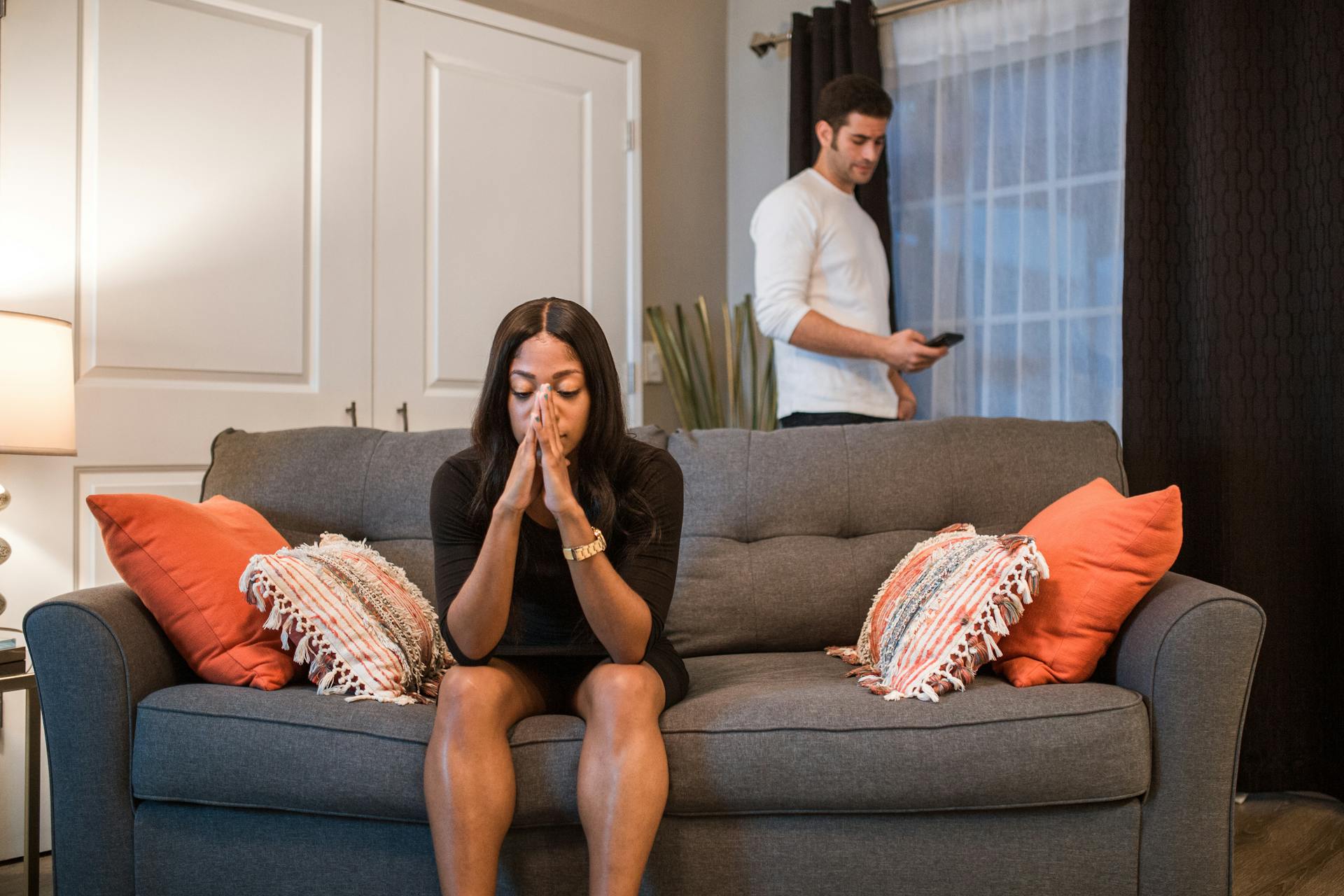
Then there’s the sunk cost fallacy, though I hate how clinical that sounds. It’s more like emotional investment. You’ve built a life together. Maybe a home. Maybe kids who call him Dad. Maybe shared friends who would pick sides or, worse, refuse to pick any. Walking away doesn’t just end the relationship; it detonates an entire ecosystem you’ve spent years constructing. I watched my cousin do this dance for twelve years. Twelve. She lost friends, distanced herself from family, reshaped her entire personality to avoid his rage. By year ten, she admitted to me that leaving felt like admitting her entire adult life had been a mistake. That’s a hell of a thing to confront.
And let’s talk about trauma bonding, because once you see it, you can’t unsee it. It’s that cycle of abuse and apology, cruelty and kindness, that creates an addictive neurochemical soup in your brain. The highs feel higher because of the lows. Your body gets hooked on the dopamine rush of reconciliation after a brutal fight. It’s the same mechanism that keeps gamblers at the slot machine or addicts chasing their next hit. Your brain literally rewires to crave the person who’s hurting you. Science backs this up, but you don’t need studies when you’ve lived it—the way your heart races when they finally say the right thing after weeks of silence. It’s deranged. And incredibly common.
Money plays a nasty role too. I’ve known women (and men) who stayed because leaving meant poverty. Real, immediate, terrifying poverty. When your partner controls the finances, or makes significantly more, or you’ve been out of the workforce raising kids, the math becomes brutal. How do you pay rent? Health insurance? Feed the children? The system isn’t built to make escape easy, especially if there are kids involved. And kids… God, the kids. Parents convince themselves they’re staying “for the children,” even when the home is a war zone. The delusion that a toxic but intact family is better than two happier separate ones runs deep. I’ve seen it destroy people.
Then there’s the identity piece. Who are you if you’re not in this relationship? After years of being defined by it— “Mark’s wife,” “the one who can handle him,” “the survivor”—stepping out means figuring out who the hell you are on your own. That’s terrifying for anyone, but especially for people who’ve been systematically eroded. Toxic partners are masters at making you smaller, more dependent, less confident. They isolate you from support networks. They make you doubt your own memory and perceptions. By the time many people seriously consider leaving, their self-trust is in tatters.
I think about my own experience—not the worst story out there by any means, but instructive. In my late twenties, I stayed in something I knew was wrong for way longer than I should have. The person was charismatic, funny, and when things were good, they were electric. But the jealousy, the passive aggression, the way they could turn any minor disagreement into an all-night emotional interrogation—it was exhausting. I stayed because I was convinced I could fix it. Because I didn’t want to be the person who “gave up.” Because being alone felt scarier than being occasionally destroyed. Looking back, it wasn’t love. It was ego and fear wearing love’s clothes.
Society doesn’t help. We’re fed this narrative that relationships take work, that love conquers all, that good people don’t quit. Movies romanticize the dramatic reconciliation. Social media shows the highlight reels. No one posts about the Wednesday night when your partner called you worthless over how you loaded the dishwasher. We’re culturally primed to endure. To romanticize suffering. To see leaving as failure rather than self-preservation.
And for some, it’s even deeper—childhood stuff. If you grew up in chaos, dysfunction can feel like home. The nervous system recognizes the pattern. Calm, healthy relationships feel boring or suspicious. It’s why so many people leave one toxic situation only to find themselves in another eerily similar one. The familiarity is comforting, even when it’s killing you slowly.
The aggressive truth here is that many of us are complicit in our own misery. Not because we’re stupid or weak, but because human beings are wired for connection above almost everything else. We’ll tolerate the intolerable if it means not facing the void of being alone. We’ll rewrite reality, minimize the damage, make excuses, plan escape routes we never take. We’ll tell ourselves “it’s not that bad” while crying in the car after another blowup.
I’ve had conversations with people in their forties and fifties still trapped in relationships that have been toxic since the honeymoon phase. They speak about it with this weary acceptance, like it’s just their cross to bear. “At least he doesn’t hit me,” they’ll say. Or “The kids need their father.” Or “We’ve been together so long, what would I even do?” The resignation is heartbreaking because you can see the life draining out of them year by year.
What makes it even worse is how normalized it all is. Scroll through any social media comments section under a post about toxic relationships and you’ll see hundreds of people sharing their stories—still in it, out but scarred, or watching a loved one suffer. It’s everywhere. In every socioeconomic bracket. Every age group. Every culture. This isn’t rare. It’s a quiet epidemic that people endure in private while pretending everything’s fine at dinner parties.
The bold part that no one wants to say out loud? Sometimes people stay because, on some level, the toxicity serves them too. It gives them a problem to focus on instead of their own unresolved issues. It provides drama and intensity in an otherwise mundane life. It confirms deep-seated beliefs about unworthiness. It keeps them from having to face the terrifying freedom of building something new. I’m not saying this to blame victims—far from it. I’m saying humans are complicated as hell, and the reasons we stay are rarely as simple as “they’re scared.”
We stay because hope is a hell of a drug. That intermittent reinforcement—those rare moments when they seem like the person you fell in love with—keeps the fantasy alive. Maybe tomorrow will be different. Maybe if I change X, Y, Z, they’ll finally be the partner I need. Maybe this is just a rough patch that lasts years.
We stay because accountability is hard. Admitting you’ve wasted years, compromised your values, hurt your children, distanced your friends—that’s a brutal mirror to look into. Easier to just keep going, day after day, pretending it’s manageable.
We stay because the alternative requires courage most of us aren’t sure we possess until we’re forced to find it.
And here’s where it gets really uncomfortable: some people never leave. They die in these relationships—emotionally, spiritually, sometimes literally. They become ghosts of who they could have been. They watch their potential, joy, and vitality get slowly eroded until there’s nothing left but survival mode.
I don’t say this to shame anyone still in it. God knows I’ve made my share of questionable choices. I say it because the first step toward anything better is seeing the situation with clear eyes. No sugarcoating. No more excuses. Just the raw, ugly truth of why we stay married to our own destruction.
The aggressive view? Most people who stay for years aren’t trapped by circumstances as much as they’re trapped by their own minds, their own fears, their own unwillingness to choose themselves over familiarity. The relationship becomes a prison they helped build and continue to maintain. And until that internal shift happens—until the pain of staying outweighs the terror of leaving—they’ll remain right where they are.
It’s harsh. But it’s real. And if you’re reading this and feeling that familiar twist in your gut, maybe that’s the point. Maybe it’s time to stop romanticizing the struggle and start asking harder questions about what you’re really protecting by staying.
This isn’t the end of the conversation though. Understanding why we stay is crucial, but it’s not enough. The real work—and the real hope—lies in how people actually break free and build something better. That’s where it gets practical, messy, and ultimately liberating.
But that’s for another day. For now, sit with the uncomfortable truth. Look at your own situation without the filters. And be honest with yourself about what you’re choosing by staying.
Because you are choosing. Every single day.
Why Do People Stay In Toxic Relationships For Years? (Part 2)
Last time we sat with the brutal truth of why so many of us linger in relationships that are quietly destroying us. The fear, the sunk costs, the trauma bonds, the way our own minds become the loudest jailer. It’s heavy stuff, and if you’re reading this now, maybe that first piece hit a nerve. Good. Because today we’re talking about what actually comes next—not the Instagram version of “just leave and thrive,” but the raw, messy, realistic path out. The one that doesn’t pretend it’s linear or easy or glamorous.
I’ve watched enough people claw their way free to know this: leaving a toxic relationship isn’t a single courageous moment. It’s a hundred small, terrifying decisions strung together over months or years. And most of them feel like shit in the moment.
The first realistic truth? You don’t need to feel “ready.” Ready is a myth. Most people who successfully leave do it while still scared, still doubting, still half-convinced they’re making a huge mistake. The shift happens when the pain of staying finally edges out the fear of going. For my friend Sarah—the one I mentioned before who stayed seven years—it wasn’t some grand epiphany. It was a random Tuesday night after another screaming match where she looked at her reflection in the bathroom mirror and thought, “I can’t do this anymore. Not one more year.” She didn’t have a perfect plan. She just started moving.
So where do you actually begin?
Start by telling one person. Not the world. Not your entire family in a group chat. Just one trusted human. A friend, a sibling, a therapist, someone who won’t run to your partner with the information. That single act of speaking the truth out loud breaks the isolation spell. Toxic relationships thrive in secrecy. Sunlight is poison to them. When I finally told my brother about the slow erosion happening in my own situation years ago, saying the words made it real in a way I couldn’t ignore anymore. He didn’t fix it for me, but he became a tether to reality when my mind tried to gaslight me back into normalcy.
Next, get professional help if you possibly can. Not because you’re “broken,” but because trauma bonding and years of manipulation scramble your thinking. A good therapist who understands emotional abuse isn’t there to hold your hand and tell you everything will be okay. They’re there to help you see patterns, rebuild trust in your own perceptions, and develop tools for the inevitable withdrawal-like symptoms that hit when you start detaching. It’s like quitting an addiction. Expect cravings, mood swings, moments of weakness where you romanticize the good times. That’s normal. It doesn’t mean you’re wrong for leaving.
Practical stuff matters more than inspiration. Money, housing, safety—these aren’t sexy topics, but they’re what make freedom possible. Start quietly gathering documents: bank statements, ID, birth certificates, anything that proves your existence independent of them. Open a separate bank account if you can. Look into local resources—domestic violence hotlines, shelters, legal aid for restraining orders or custody arrangements. Even if your situation isn’t physically violent, emotional abuse counts and many organizations get that. I know a woman who stayed “for the kids” until she realized her daughter was starting to mimic the same people-pleasing, walking-on-eggshells behavior she’d perfected. That was her line in the sand. She spent six months planning the logistics before she left, and it still felt chaotic as hell.
The kids question is one of the hardest. Everyone says “stay for the kids,” but I’ve seen the damage of growing up in a home where tension is thick enough to taste. Sometimes the most loving thing you can do is show them that adults can choose peace over familiarity. It’s not easy. Co-parenting with a toxic ex is its own special hell. But staying in the war zone teaches children that love looks like walking on broken glass. They deserve better modeling than that.
Boundaries become your new religion. Once you decide to leave—or even while you’re still figuring it out—start practicing tiny boundaries in the relationship if it’s safe to do so. No more engaging in circular arguments. No more accepting crumbs of affection as a feast. Protect your energy like it’s the most precious resource you have, because it is. And when you do leave, expect the extinction burst—that final, intense wave of manipulation, love-bombing, threats, or hoovering attempts. It’s predictable. Prepare for it. Block, mute, get support around you so you don’t cave when they promise to change (again).
One of the most realistic parts nobody talks about enough is the grief. Leaving isn’t just ending a bad chapter; it’s mourning the future you thought you’d have, the version of them you loved, the years you invested, and parts of yourself you lost along the way. You will have nights where you miss them in a visceral way. You’ll question everything. That’s when community and routines save you. Rebuild slowly. Rediscover what you like to eat, what music doesn’t remind you of them, what activities make you feel like you again. For months after my own exit, I felt strangely empty. Not happy, not free—just hollow. It took time for that space to fill with something better.
Financial independence is non-negotiable long-term. Many people go back because the immediate struggle feels worse than the familiar pain. Start small. Update your resume. Take a course. Connect with old colleagues. Build a survival fund, even if it’s just twenty dollars a week hidden away. The goal isn’t perfection; it’s momentum. One woman I know left with her two kids and $400 in her pocket. She couch-surfed with friends for a bit, worked two jobs, and slowly clawed her way to stability. Three years later she told me it was the hardest thing she’d ever done, and the best.

Therapy again—worth repeating. Not just for the leaving, but for the after. So many of us carry patterns from childhood that made the toxicity feel normal. Unpacking that prevents the next version of the same relationship. You start noticing red flags earlier. You stop abandoning yourself to keep the peace. It’s unglamorous work: crying in sessions, journaling the same realizations over and over, learning to sit with discomfort instead of reaching for the familiar poison.
And here’s a hard-won observation: some people need to leave more than once. Relapse happens. The pull is strong. Don’t beat yourself up if you go back temporarily. Just make sure each return teaches you something new about why it won’t work long-term. Progress isn’t a straight line; it’s a spiral. You keep coming back to the same lessons at deeper levels until one day you finally stay gone.
What does life look like on the other side? Not constant bliss. That’s the lie. It’s quieter mornings. The ability to make decisions without running them through someone else’s mood first. Laughter that isn’t followed by guilt or tension. Friends you slowly let back in. A sense of self that feels solid instead of constantly negotiated. You’ll still have bad days. Triggers. Moments of loneliness that hit like a truck. But they’re your bad days, in your life, on your terms.
I’ve seen people blossom in ways that surprised everyone, including themselves. The quiet one who was constantly criticized starts speaking up in meetings. The caretaker type learns to receive help. Energy returns. Creativity returns. That spark you thought was gone forever? It was just buried under years of survival mode.
The realistic solution isn’t one magic step. It’s a series of choices: choosing truth over illusion, safety over familiarity, your future self over your current comfort. It requires support, planning, courage on the days you have none, and radical self-compassion when you stumble. It means accepting that you might lose some relationships, some money, some time—but you gain yourself back.
If you’re in it right now, start where you are. Today. Send that text to a friend. Look up one resource. Write down three things that are no longer acceptable in your life. Small moves compound. The same brain that kept you trapped for years can be rewired toward freedom. It just takes consistent action in the face of fear.
You’re not weak for having stayed. You’re human. And the fact that you’re still here, still reading, still considering—that says everything about your capacity to change the story.
The void after leaving is scary, but it’s also where new life grows. Not the fairy-tale version. The real one: imperfect, sometimes lonely, often challenging, but authentically yours. And that, in the end, is worth every difficult step.
You already know what staying costs. Now imagine what choosing you might gain. The discomfort of growth beats the slow death of staying every single time. Not because it’s easy. Because you’re worth it.

Leave A Comment