

You know that couple everyone swears is “perfect”? The ones who post the beach vacations, the matching Christmas pajamas, the “still going strong after 15 years” captions? Yeah, I’ve known a few. And more often than not, behind the filtered smiles, something’s already dead inside. Not dramatically dead. Not screaming-fights-in-the-front-yard dead. Just… gone. Rotting quietly while they both pretend it’s fine.
We’ve been sold this lie that marriages end because of The Big Thing: the affair, the addiction, the explosive blowout that ends with one person storming out and lawyers on speed dial. Sure, those happen. But they’re the exception. Most marriages don’t explode. They rot.
They rot from the inside out, one small act of emotional laziness at a time. One ignored text that could’ve been a real conversation. One night where “I’m tired” becomes the default answer to “how are you really?” One more time choosing the phone over eye contact. It piles up. Slowly. Silently. Until the person sleeping next to you feels like a polite stranger sharing your mortgage.
I remember sitting across from a friend a couple years back—let’s call her Sarah. She’d been married 12 years, two kids, nice house, the whole package. She looked at me over coffee and said, almost like she was confessing a crime, “I don’t even miss him when he’s gone. I just feel… relieved.” No cheating. No abuse. Just years of little things. He’d come home, scroll Reddit, grunt responses, fall asleep on the couch. She’d ask about his day; he’d say “fine” and change the subject. She stopped asking. He stopped noticing she’d stopped. The rot had set in so deep she didn’t even feel angry anymore—just empty.
That’s the scary part. It’s not rage that kills most marriages. It’s indifference. And indifference doesn’t announce itself. It creeps in wearing sweatpants and familiarity.
Emotional laziness is the refusal to do the daily work of really seeing and being seen. It’s easier to zone out than to ask the hard follow-up question. Easier to assume your partner’s mood than to check in. Easier to let resentment simmer than to say, “Hey, that hurt, can we talk about it?” We tell ourselves we’re “too busy” or “too tired,” but the truth is simpler: we get lazy. We stop trying because trying feels vulnerable, and vulnerability feels risky when you’re not sure the other person will meet you halfway.
Think about the last time your partner shared something small but real—a worry about work, a memory that made them sad, even just “I had a rough day.” Did you lean in? Or did you half-listen while mentally making the grocery list? Most of us have done both. And every time we choose the half-listen, we chip away at the connection. John Gottman, the guy who’s spent decades watching couples fight and make up (or not), calls these moments “bids for connection.” Tiny reaches across the emotional gap. A bid can be as simple as “Look at this funny meme” or “I’m stressed about tomorrow.” When we turn toward those bids—acknowledge them, respond with interest—we build the relationship. When we turn away (or against), we erode it.
The erosion is cumulative. One ignored bid doesn’t feel like much. But 50? 500? Over months and years? That’s when the foundation cracks. That’s when “we’re fine” becomes a lie you both tell yourselves. And eventually, one of you wakes up and realizes the person you married isn’t there anymore—not because they left, but because you both stopped showing up.
I’ve seen it play out in different flavors. The husband who comes home and immediately disappears into his man cave because “I need to decompress,” never noticing his wife’s eyes begging for five minutes of real attention. The wife who buries herself in kid schedules and side hustles, telling herself she’s “just being practical,” while her husband quietly stops trying to initiate sex or affection because rejection hurts less when it’s expected. The couple who communicates only in logistics—“Pick up milk,” “Soccer at 4,” “We need to pay the electric bill”—until intimacy feels like a foreign language they used to speak in college.
And the worst part? Most people don’t even realize it’s happening until it’s too late. They think they’re still “in love” because the love is still there in memory, in old photos, in the way they still say “I love you” out of habit. But love without attention is like a plant without water. It doesn’t die in a blaze. It wilts. It yellows. It rots at the roots while the leaves stay green for a while longer.

We love to blame the big villains: infidelity, money fights, in-laws. But those are usually symptoms, not the disease. The real disease is the daily choice to be emotionally lazy. To take the path of least resistance. To assume the relationship will coast on autopilot because it’s been running for years.
It won’t.
Relationships aren’t machines that run forever once you flip the switch. They’re living things. They need tending. They need oxygen. They need you to show up, day after day, even when it’s inconvenient, even when you’re exhausted, even when you’d rather binge Netflix alone. Because the alternative is this slow, creeping rot that turns two people who once couldn’t keep their hands off each other into two roommates who can’t remember the last time they had a real conversation.
And when that rot goes unchecked long enough, people leave. Not because they hate each other. But because they’re lonely. Bone-deep lonely, even though they share a bed. They leave because staying feels more painful than going. They leave because the marriage has become a museum of what used to be, and they’re tired of living among ghosts.
I’m not saying every marriage is doomed. Far from it. But I am saying most divorces aren’t caused by dramatic betrayal. They’re caused by a thousand tiny betrayals of neglect. A thousand moments where one person reached and the other looked away. And those moments add up. They compound. They rot the whole damn thing from the inside until there’s nothing left to save.
So if you’re reading this and something in your chest just tightened—good. That tightness is a signal. It’s your intuition whispering that maybe, just maybe, the rot has started in your own house. Maybe you’ve been lazy too. Maybe your partner has. Maybe you both have.
Don’t panic. Don’t rush to conclusions. But don’t ignore it either.
Because the good news—if there is any in this brutal truth—is that rot can be stopped. Not with grand gestures or overnight miracles. But with small, deliberate, daily choices to stop being lazy. To turn toward instead of away. To see and be seen again.
That’s what the second part of this is about. How to actually reverse the rot before it’s irreversible. How to wake up the parts of your marriage that have gone numb.
But first, you have to admit it’s happening. You have to look at the quiet corners of your relationship and say, out loud if you can, “This isn’t fine. We’re rotting.”
Because once you name it, you can fight it.
And fighting it is the only way love gets to live.
So you felt it. That tightness in the chest when you read the first part. Maybe you recognized yourself in one of those small, lazy moments. Maybe you saw your partner’s face in the description of someone who stopped reaching. Good. That sting means there’s still something alive under the numbness. Rot only wins when we pretend it isn’t there.
The bad news is that emotional laziness is a habit, and habits feel comfortable even when they’re killing us. The good news is that habits can be unlearned. Not with one dramatic weekend retreat or a tearful midnight ultimatum. Those rarely stick. The fix is quieter, more boring, and infinitely more powerful: small, repeated choices to show up emotionally when it would be easier not to.
Here’s what actually works—not theory, not Instagram-reel wisdom, but stuff I’ve seen turn dying relationships around in real life, including ones that were already halfway to the exit.
First, you have to decide whose job it is to fix this. Spoiler: it’s both of you, but it starts with one person refusing to keep coasting. Usually the person who notices the rot first has to be the one to break the pattern. Waiting for the other person to “wake up” is just another form of laziness.
Start stupidly small. I’m serious. Don’t aim for deep, soul-baring conversations at 10 p.m. when you’re both fried. Begin with the micro-moments everyone skips.
When your partner says something—anything—treat it like it matters. Not with fake enthusiasm, but with actual attention. They mention the coffee was cold at work? Don’t just nod. Ask, “That happen a lot there lately?” They show you a meme? Laugh if it’s funny, or say “That’s so dumb, I love it.” They sigh when they walk in the door? Put the phone down for ten seconds and say, “Rough one?”
These are bids. Turning toward them is the opposite of emotional laziness. John Gottman’s research keeps showing the same thing: couples who stay together respond to bids at a rate of about 86%. Couples who split respond to only about 33%. That’s not a small difference. That’s the entire game.
Most people think romance is grand gestures. It’s not. Romance is consistency in the boring moments. It’s remembering they hate mushrooms so you pick them out without being asked. It’s texting “thinking about you” when nothing’s wrong. It’s asking about the thing they mentioned three days ago because you actually listened.
Next: stop assuming you know what your partner feels. Assumption is laziness in disguise. “She’s probably just hormonal.” “He’s always like this when he’s stressed.” “They don’t want to talk anyway.” Every assumption is a shortcut that kills curiosity.
Replace assumption with curiosity. Ask real questions and then shut up and listen to the answer. Not to fix it. Not to counter it. Just to understand it. “What’s been the hardest part of your day?” “When you said that earlier, what were you actually feeling?” “What do you wish I understood better right now?”
And when they answer—believe them. Don’t argue with their experience. Don’t explain why they shouldn’t feel that way. Just let the words land. Most people have spent years feeling unseen in their own marriage. Being truly heard is like oxygen after holding your breath too long.
Sex is another place the rot shows up fast. When emotional connection fades, physical connection usually follows. One person stops initiating because they’re afraid of rejection. The other stops asking because they’re tired of feeling unwanted. Soon nobody’s touching anyone except by accident in the hallway.
If that’s you, don’t try to jump straight to marathon bedroom sessions. Start with non-demanding touch. A hand on the back while passing in the kitchen. Sitting thigh-to-thigh on the couch instead of opposite ends. A hug that lasts longer than two seconds. No expectation of it leading anywhere—just contact. Bodies remember safety before minds do.
One couple I know was on the brink. They hadn’t had sex in fourteen months. They started with a rule: every night before lights out, they had to hold each other for five full minutes. No talking, no phones, no agenda. Just skin on skin. Within a month the five minutes turned into twenty, then conversations in the dark, then sex that felt like reconnection instead of performance. It wasn’t magic. It was deliberate, repeated contact.
Another habit that reverses rot: own your half without waiting for an apology first. We get so stuck in scorekeeping—“I did the dishes last time,” “You never say thank you,” “I’m not apologizing until they do.” That’s pride masquerading as fairness. It keeps the distance alive.
Try this instead: apologize for your part even if they’re still acting like an ass. “I’ve been checked out lately and I know that hurts. I’m sorry.” Not as manipulation. Not to force reciprocity. Just because it’s true. Vulnerability is contagious. When one person drops the armor, the other often follows.
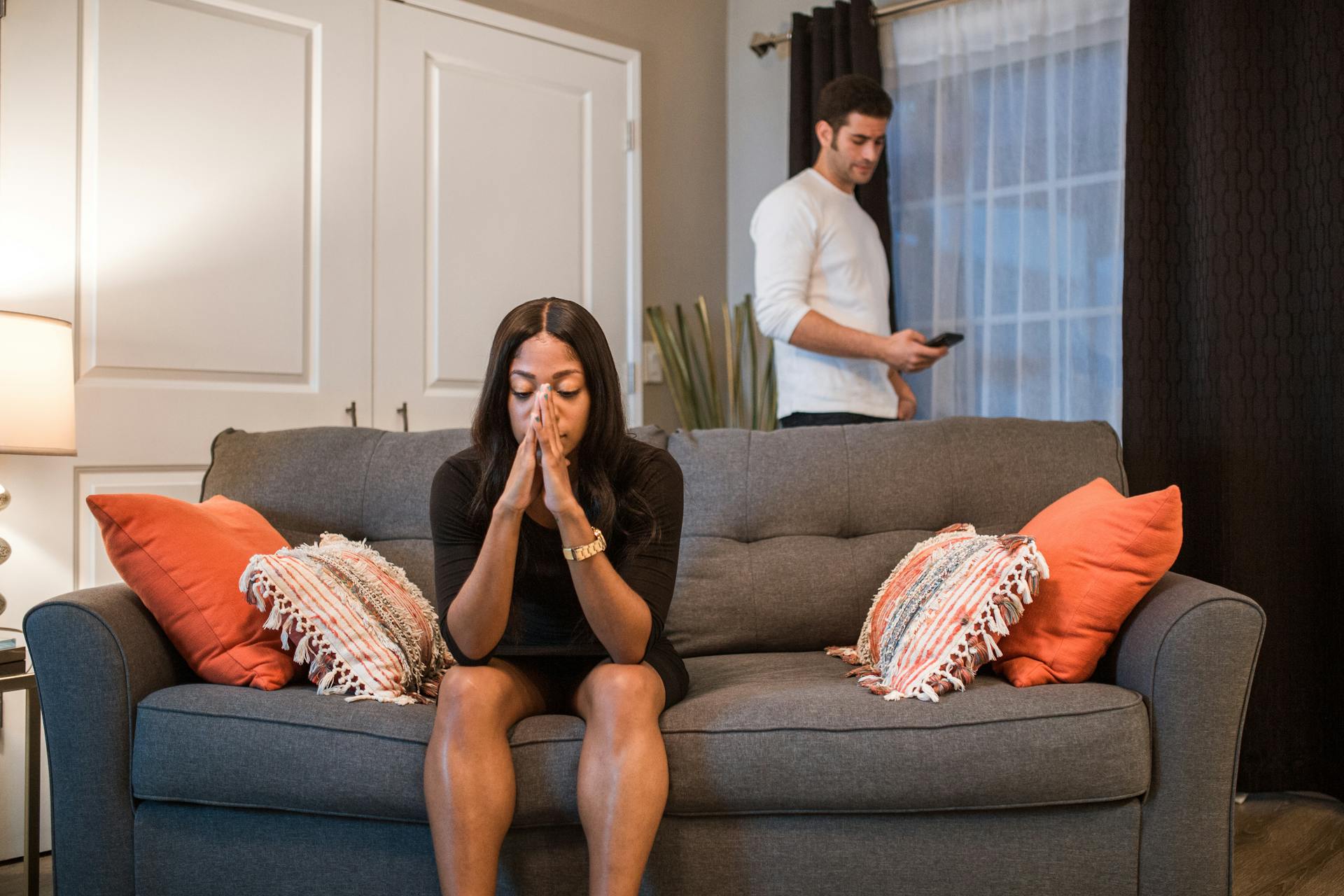
And speaking of armor—stop hiding behind “I’m fine.” It’s the most destructive sentence in marriage. “I’m fine” usually means “I’m hurting and I don’t trust you enough to say it.” Replace it with something honest, even if it’s messy. “I’m actually pretty pissed and I don’t know how to say it without starting a fight.” “I feel invisible lately.” “I miss us.” The moment you name the feeling out loud, the rot loses some of its power.
Protect time together the way you protect your job. We guard work meetings with our lives but let date nights get canceled because “something came up.” Schedule them. Put them in the calendar like a doctor’s appointment. And when you’re there, be there. No phones at the table. No talking about the kids’ schedules or the leaky faucet. Talk about dreams, memories, fears, stupid hypotheticals—anything that reminds you both there’s a person in there, not just a co-manager of logistics.
Finally, get help before you think you need it. Therapy isn’t for broken marriages; it’s for marriages that want to stay alive. A good couples therapist is like a relationship personal trainer—they spot the lazy patterns you can’t see anymore and give you drills to rebuild strength. Even a few sessions can reset the trajectory.
I’ve watched people go from polite strangers sharing a bathroom to laughing, touching, fighting fair, and actually liking each other again. Not because they became perfect. But because they stopped accepting the slow death as normal. They chose effort over ease, day after day.
It won’t feel romantic at first. It’ll feel awkward, forced, sometimes pointless. That’s the rot trying to convince you nothing will change. Keep going anyway. The feeling comes back after the behavior does, not before.
You don’t have to fix everything today. You just have to stop contributing to the decay today. Turn toward one bid. Ask one real question. Touch without expecting more. Say one honest thing instead of “I’m fine.”
And tomorrow, do it again.
Because love doesn’t die in a single blow. It dies from neglect. And it comes back the same way—through thousands of small, stubborn acts of attention.
You’ve already named the problem. That’s half the battle.
Now go fight the other half.
Your marriage isn’t gone yet. It’s just waiting to see if you’ll show up for it.

Leave A Comment