
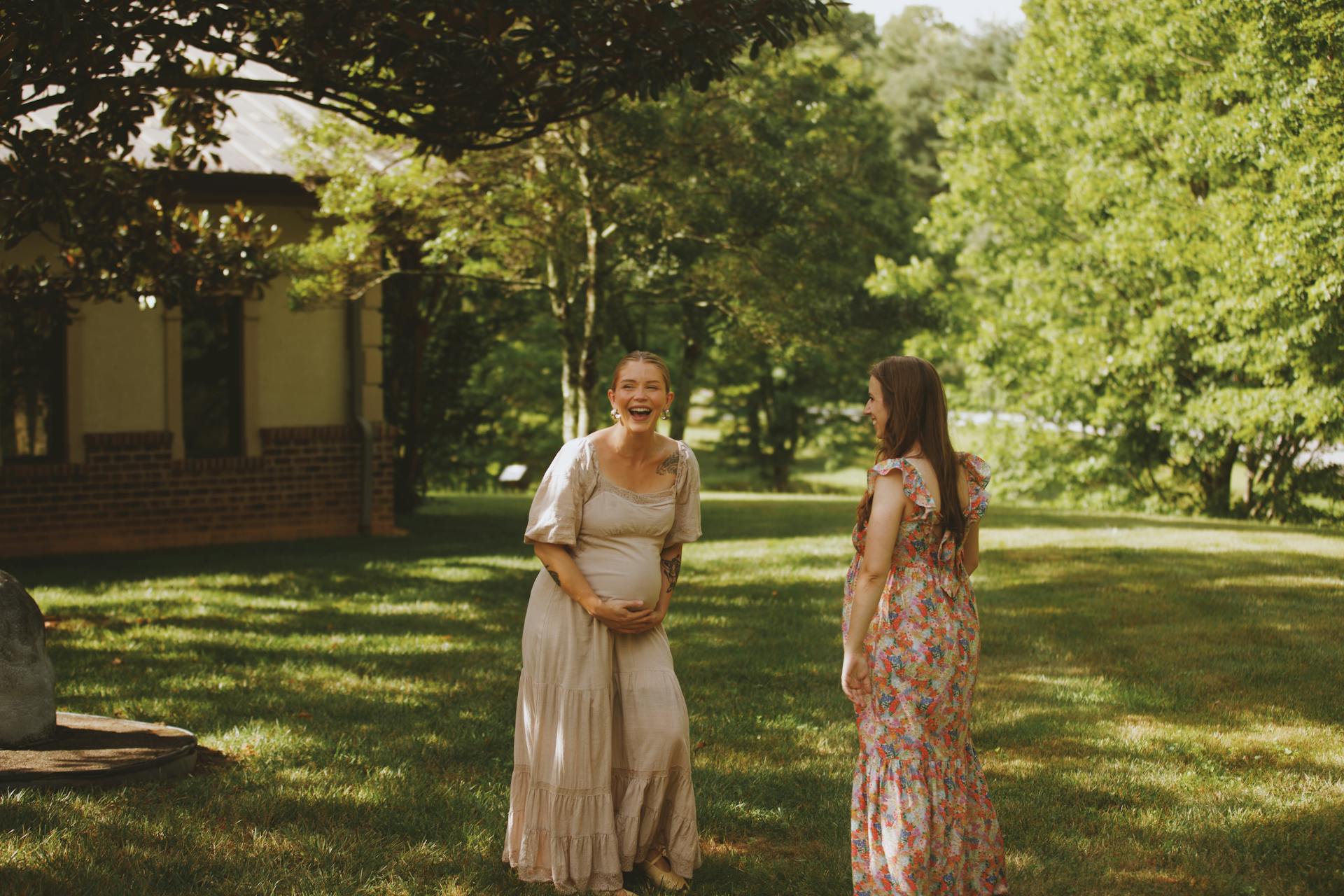
I remember sitting across from my friend Priya at a noisy Kolkata café last year, watching her scroll through her phone with that familiar exhausted look. She’d just dropped her two-year-old at daycare after a night of barely any sleep, and her boss had already pinged her about a “quick” deadline. “I love my job,” she said, half-laughing, half-broken. “But sometimes I wonder if having kids was the biggest demotion of my life.” That hit me. Not because it was shocking, but because it felt like the quiet confession so many women are making these days while the world pretends everything’s fine.
We’ve built a society that celebrates women for everything except the one thing that literally keeps humanity going. Motherhood. Not the Instagram-filtered version with matching outfits and golden hour glow. The real one—the bone-deep exhaustion, the identity shift, the years of putting someone else’s needs before your own ambitions. Modern society isn’t just undervaluing it. It’s actively punishing it, and we’re all pretending that’s progress.
Think about it. A woman announces she’s pregnant and the congratulations come laced with subtle questions: “So when are you going back to work?” “You’re not going to be one of those stay-at-home moms, right?” As if choosing to focus on raising your child is some kind of intellectual surrender. I’ve seen brilliant, driven women—engineers, teachers, entrepreneurs—get sidelined the moment they prioritize their kids. Their careers stall. Their social circles shrink. Their own families sometimes look at them with a mix of pity and confusion, like they’ve opted out of life instead of stepping into its most demanding role.
This isn’t nostalgia talking. It’s observation. We live in an economy that measures worth almost entirely by paid labor and visible productivity. GDP doesn’t count the hours a mother spends soothing a feverish child at 3 a.m., or teaching a toddler to share, or managing the invisible mental load of an entire household. That work is priceless until it’s not done—then suddenly everyone notices the chaos. But try putting it on a resume. Society has convinced us that only what can be monetized truly matters, and motherhood gets filed under “personal choice” rather than foundational labor.
Look at how we talk about it. Career women are “leaning in,” “girl bosses,” “breaking glass ceilings.” Mothers? They’re “just moms.” The language itself diminishes. I catch myself doing it sometimes in conversation—asking a friend what she’s “doing” now, implying that full-time mothering isn’t enough of a doing. It’s embarrassing when I notice it. We’ve absorbed this cultural script so deeply that even questioning it feels regressive.
The aggressive truth? A lot of modern feminism, while doing incredible work in opening doors, accidentally (or not) framed motherhood as the trap to escape. The story became: get educated, get career, get independence, and children can be slotted in around the edges without derailing the main plot. Biology, attachment, and the sheer intensity of early childhood didn’t get the memo. Kids don’t thrive on optimized schedules and quality time hacks. They need presence. Consistency. Someone whose attention isn’t divided between Slack notifications and toddler tantrums.
I’m not saying every woman should stay home or that careers are evil. That’s a strawman people hide behind. What I’m saying is we’ve created a system where the default path for an ambitious woman makes motherhood feel like a penalty box. Extended maternity leave is still stigmatized in many workplaces. Daycares are expensive and often mediocre. Housing costs force both parents into full-time work even when they’d prefer otherwise. And then we act shocked when birth rates plummet and women report sky-high rates of burnout and regret.
I’ve watched cousins in smaller towns navigate this differently. In places less infected by metro hustle culture, motherhood still carries quiet prestige. A woman raising capable, respectful kids is seen as having done something substantial. Not in a performative way, but in the way communities actually function. Contrast that with big cities where success stories are almost always about women who minimized the motherhood interruption—nannies, formula from day one, back at the desk in weeks. We celebrate the outliers who make it look seamless while ignoring the majority grinding through impossible trade-offs.
The data, if you look honestly, is brutal. Mental health struggles among mothers are through the roof. Loneliness epidemic hits women with young children particularly hard because we’ve dismantled the village. Grandparents work longer, extended family is scattered, neighbors don’t know each other. A mother today is expected to be everything—nurturer, educator, emotional regulator, household CEO—mostly alone, while being told she should also maintain her pre-baby body, career trajectory, and social media relevance. It’s insanity dressed up as empowerment.
And the children? We’re running a massive experiment on what happens when kids spend more time in institutional care than with their own parents. Some do fine. Many show higher rates of anxiety, attachment issues, behavioral problems. But pointing this out gets you labeled anti-woman or traditionalist in the worst way. As if noticing reality is a moral failing.
Here’s where it gets uncomfortable. A lot of this undervaluation serves economic interests. An economy needs workers and consumers. Dual-income households drive GDP, spending, and tax revenue. A culture that glorifies motherhood and supports it materially would slow that machine down. Companies prefer employees without messy family obligations. Governments like the illusion of growth. Even some feminists benefit from keeping the narrative that fulfillment comes primarily from professional achievement outside the home.
I’m not romanticizing the past either. Traditional societies had their own brutalities—women trapped in bad marriages, limited choices, physical dangers. But they didn’t pretend that raising the next generation was somehow lesser work. They built cultural scaffolding around it: rituals, community support, clear social respect. We tore much of that down without building adequate replacements. Now we have freedom on paper and exhaustion in practice.

Talk to women in their 40s and 50s who bought the whole “you can have it all” package. The ones who outsourced motherhood to the maximum and climbed corporate ladders. Plenty express a hollow feeling. Not regret exactly, but a sense that they missed the depth of something irreplaceable. The years blur. Kids grow up fast and somewhat distant. The promotions felt good but didn’t fill the same space. Meanwhile, the quiet mothers who poured themselves into their children often speak of a profound, if exhausting, satisfaction—even if they struggle with lost career status.
This isn’t about judging individual choices. Life is complex. Economics, personalities, circumstances all play roles. But we need to stop lying that all choices are equally supported or equally consequential. Society has picked a side—economic participation over family formation—and we’re living with the results: declining fertility, strained relationships, kids who are more scheduled than nurtured, women who feel they’re failing no matter what they choose.
The bold part: Motherhood is the most important job in any civilization, and we’ve turned it into a side quest. We celebrate women for doing what men have always done (work outside the home) while subtly scorning them for doing what only women can do (gestate, birth, and optimally nurture the young). That’s not equality. It’s a strange form of erasure wrapped in progressive language.
I think about my own mother sometimes. She worked, but she was uncompromising about being present when it mattered. No daycare for us. Family came first, even when money was tight. Looking back, that consistency shaped us more than any enrichment class could. She never framed it as sacrifice in a martyred way. It was just what you did. Today, that approach would get eye rolls and lectures about self-care and boundaries.
We’ve pathologized normal maternal instincts— the fierce protectiveness, the desire to be primary caregiver—as codependency or internalized patriarchy. Meanwhile, we pathologize fathers who want to provide and protect as toxic masculinity. The whole thing is deranged.
Modern society doesn’t just undervalue motherhood. It treats the maternal impulse as something to be managed, minimized, and integrated into a life defined by individual achievement and consumption. We’ve made raising children feel optional and expensive rather than central and meaningful. And we’re shocked when fewer people want to do it, or when those who do feel like second-class citizens.
This isn’t sustainable. Civilizations that lose the plot on family eventually lose the plot entirely. You can see it in the demographics, the mental health statistics, the quiet despair in parenting forums. The question isn’t whether society undervalues motherhood. The evidence is everywhere. The real question is how long we’ll keep pretending otherwise while the foundations crack.
I don’t have neat answers today. That’s for the next part. But I know this: watching a friend like Priya torn between her capable, loving self as a mother and the professional box she’s supposed to squeeze back into makes me angry. Not at her. At a culture that sold her the idea that these two parts of herself had to fight to the death instead of being honored as complementary.
Motherhood isn’t a setback. It’s not a hobby. It’s not something to “balance” like a diet. It’s primal, difficult, transformative work that deserves more than lip service and performative momfluencer content. Until we acknowledge how badly we’ve undervalued it, we’re going to keep breaking women, shortchanging kids, and wondering why everything feels hollow underneath the hustle.
The aggressive truth is uncomfortable because it challenges the story we’ve told ourselves about progress. But ignoring it won’t make the costs disappear. They’re already here—in tired eyes at playgrounds, empty classrooms in some countries, and the growing sense that we’ve optimized our way out of what matters most.
So what do we actually do about it? Not the performative stuff—hashtag campaigns or corporate “family friendly” posters that mean nothing. I’m talking realistic, messy, human-scale changes that could start shifting the needle without pretending we can rewind to 1950 or leap into some perfect utopia. Because the first step is admitting the problem is deep, cultural, and economic all at once. Fixes have to meet people where they are, not where activists wish they were.
I was talking to my neighbor last month, a working mother of three who somehow holds it together on a teacher’s salary while her husband drives for hours daily. She laughed when I asked what would help most. “Sleep. And someone who actually gets it.” Simple, right? But our systems are built for abstractions, not tired humans. Realistic solutions start with respecting biology and attachment instead of fighting them.
Let’s begin with money, because everything touches it. Societies that want more mothers to have the option to be present need to stop financially punishing them for it. Tax systems that heavily favor dual full-time earners over single-earner families are backwards. Why not meaningful child allowances or tax credits that scale with the number of kids and don’t phase out the moment one parent steps back? Some European countries have played with this—Hungary’s family incentives, for example, or parts of France—and birth rates respond when the economics aren’t soul-crushing. It doesn’t have to be massive welfare. Targeted, dignity-preserving support that says: raising the next generation is productive work for society, not a personal luxury.
Workplaces need a reality check too. The “ideal worker” model—always available, always ambitious, zero interruptions—was designed for men with wives at home. We kept the model and told women to just man up. Flexible hours, remote options, and genuine part-time career tracks without the mommy tax on promotions aren’t radical. They’re overdue. I know women who negotiated four-day weeks after maternity leave and saw their output stay high while their sanity improved. Companies that experiment honestly here often keep talent longer. The stubborn ones lose good people to burnout and quiet quitting. Data from places that track it shows mothers aren’t less capable—they’re often more efficient because they have to be. Stop treating family as a liability on a balance sheet.
But policy alone is weak tea. Culture eats policy for breakfast. We need a honest conversation about what young women are told versus what they actually experience. Education that prepares girls for both careers and the likelihood that many will want children—and that those children do best with substantial maternal investment in the early years. Not guilt trips. Just fewer lies about “having it all” without trade-offs. Universities and schools could include basic child development realities in life skills classes instead of pretending attachment science doesn’t exist. The “quality time” myth has done enough damage.
I’ve seen small pockets where this cultural respect already flickers back to life. Certain religious or tight-knit communities still treat motherhood as high status. Not in a creepy trad-wife performance way, but in everyday acknowledgment: the woman raising decent humans is doing important work. We don’t need to copy their theology to borrow the respect. Media could help. Instead of endless stories about corner-office CEOs who barely see their kids, how about honest portraits of women who sequenced differently—maybe slowed their career for five years, then restarted stronger because they weren’t fragmented. Stories that show motherhood as transformative, not just logistical.
Community is the piece we destroyed and barely talk about. The village isn’t coming back by magic, but we can build micro-villages. Co-housing setups where families share yards and meals. Multi-generational living when it works—grandparents nearby instead of isolated in old-age homes while burning out from loneliness. Neighborhood parent groups that actually help each other instead of competing over organic snacks. During my cousin’s rough postpartum period in a smaller town, her mother-in-law’s daily visits and aunties dropping food made a world of difference. In cities, we pay strangers or burn out solo. That’s insane economics.
Fathers matter here, obviously. Realistic solutions don’t dump everything on mothers while calling it empowerment. Strong cultural encouragement for involved fatherhood—paternity leave that men actually take without career suicide, cultural stories that value provision and protection alongside emotional presence. Not turning dads into replacement moms, but recognizing different strengths. Kids do best with both. Couples who divide labor thoughtfully, without keeping score like it’s a corporate merger, seem to sustain it better. I know one couple where he took a less demanding job during the intense early years so she could be home more. They took a financial hit but say it was the best decision they made. No ideology, just pragmatism and love.
We also need to get honest about childcare. Institutional daycare isn’t evil, but it’s not ideal for very young children as the default. Subsidizing high-quality options is good, but subsidizing parental care when families choose it is better. Mixed models—part-time daycare plus family, or cooperative parent-run setups—can bridge gaps. The goal isn’t purity. It’s giving families real options instead of forcing everyone into the dual-earner grinder because rent and school fees demand it.
Housing policy is motherhood policy whether we admit it or not. Insane real estate prices in good school districts force both parents to work full throttle. Zoning reform, more family-sized homes, incentives for multi-generational buildings—these aren’t sexy but they matter more than another awareness month. Make it possible for a single decent income to raise kids without desperation. That alone would change calculations for many couples.
Education and fertility timing deserve straight talk. Delaying kids until the late 30s because career first often means smaller families, higher fertility struggles, and more exhaustion when babies finally arrive. Societies that support earlier family formation—through affordable education, apprenticeships, or loan forgiveness tied to family milestones—might see different outcomes. Not pressuring anyone, but removing artificial barriers that make the twenties all about credentials and debt.
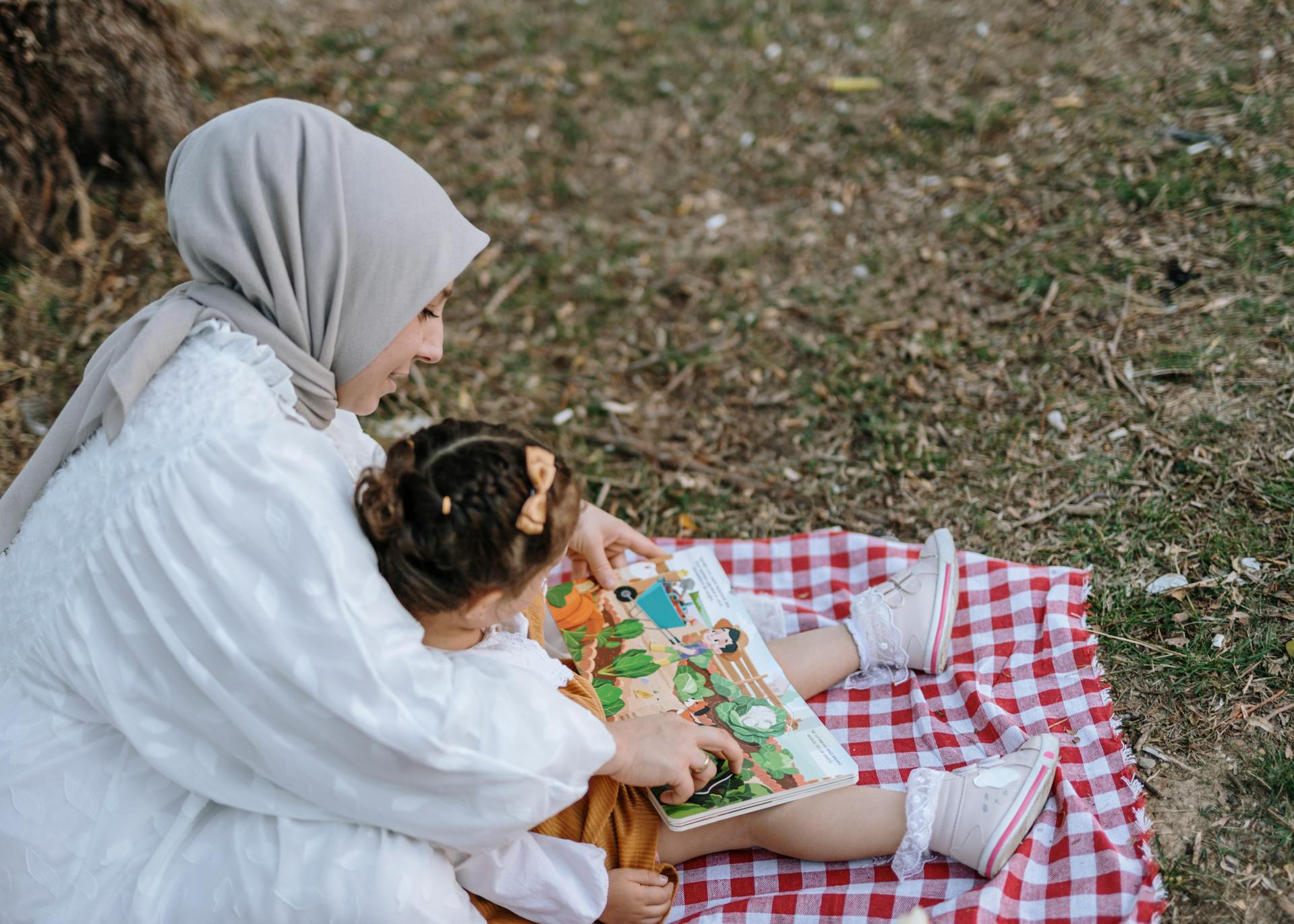
On a personal level, the solutions feel even more grounded. Young people choosing partners who actually want kids and share the vision, not just the vibes. Couples having honest talks before marriage about career versus family priorities instead of assuming it will magically work. Women protecting their health and fertility earlier if they know they want children. Communities celebrating milestones like “first solid poop” or surviving the terrible twos with as much enthusiasm as promotions. Small cultural signals accumulate.
None of this requires hating careers or going backwards. Plenty of mothers thrive with ambitious work once kids are older and more independent. The distortion is making the early intense years invisible and unsupported. Sequencing—intense mothering phase followed by career ramp-up—is a legitimate path we should normalize again without side-eye. Many women I know who did versions of this report deeper satisfaction and surprisingly strong career rebounds because they weren’t carrying decades of low-level maternal guilt.
The mental health piece can’t be ignored. We need to stop pathologizing normal maternal stress and start treating isolation as the risk factor it is. Postpartum support networks, realistic expectations in prenatal classes, therapy that doesn’t immediately frame attachment desires as problematic. Exercise, sleep, nutrition, and actual help from family—these beat another app for meditation. Simple but unfashionable.
Economically, we have to confront the growth-at-all-costs mindset. An aging population with low birth rates creates its own crises—strained pensions, labor shortages, cultural hollowing. Supporting family formation isn’t charity; it’s long-term investment. Countries facing demographic collapse are already experimenting. Some will fail because they treat it as just another KPI. The ones that succeed will combine material support with cultural honor for the role.
I don’t pretend this is easy. Trade-offs exist. Not every woman wants to be a mother. Not every mother wants to be home full-time. Individual variation is real. But a healthy society makes space for the majority pattern—most women do want children, and most children benefit from substantial parental investment—without shame or penalty. Right now we do the opposite: celebrate the exceptions loudly and leave the norm struggling quietly.
Looking at Priya again, the friend from that café, she’s still working but they’ve made changes. Her husband shifted to a hybrid role. They accepted a smaller apartment to cut costs. Family visits more. She talks about motherhood differently now—not as demotion, but as the core from which other things orbit. It’s harder, but she says more honest. That’s the quiet revolution: individuals and families opting out of the impossible script and building something saner in the margins. When enough do it, culture follows.
The aggressive truth from part one still stands. We have undervalued motherhood badly. The realistic path forward isn’t slogans or guilt. It’s policy tweaks that respect biology, cultural stories that honor depth over hustle, communities that actually show up, and personal courage to make choices that might look slower or less impressive on LinkedIn but pay off in lives well-rooted.
Kids raised with that presence become adults who know they matter. Mothers who aren’t shredded between worlds carry less resentment. Fathers step up when the load is shared meaningfully. Societies that get this balance right tend to be more stable, innovative, and humane over generations. The ones that don’t eventually scramble to import people or automate care and wonder why nothing feels like home.
We’re not doomed. The pendulum has swung hard one way; it can move back toward center if we stop gaslighting ourselves about the costs. It starts with saying out loud that motherhood is not a side quest. It’s central. Valuable. Worth protecting and supporting with more than memes and maternity photo shoots. Worth designing an economy and culture around, at least partly.
The women doing this work every day—the ones wiping noses, teaching values, managing chaos with love—deserve better than quiet pity or corporate platitudes. They deserve a society that looks them in the eye and says: what you’re doing matters profoundly. We’ll build around that truth instead of asking you to pretend it doesn’t.
That’s not regression. It’s sanity. And if we care about actual human flourishing more than abstract metrics, it’s the direction worth pushing toward—one honest conversation, one policy adjustment, one family decision at a time. The results won’t be perfect. But they’ll be real. And in the end, that’s what our kids—and our future—actually need.

Leave A Comment