

I’m just going to come out and say it, because nobody else will: love didn’t ruin your life. You did. You sat down with your mental spreadsheet, ran the numbers, and decided the only two columns that mattered were “looks” and “money.” Everything else—kindness, humor, the way someone can sit in silence with you without it feeling like a chore—got shoved into the footnotes. Then, when the relationship inevitably cracked under the weight of its own shallowness, you pointed at love like it was the villain. “Love is blind,” you sighed. “Love hurts.” Bullshit. Love was never even in the room. You optimized for the Instagram filter version of a partner and now you’re shocked that peace bailed the second the highlights reel ended.
I’ve watched this play out too many times to count. My old college roommate, let’s call him Arjun, was the poster boy for it. Tall, charming, decent job in tech. He swiped right exclusively on women who looked like they’d just stepped off a magazine shoot. The kind with the perfect jawline and the vacation photos that screamed “I vacation in places you only dream about.” He landed one—stunning, ambitious, made good money herself. On paper it was jackpot. Their feed was fire. Comments flooded in: “couple goals,” “so cute together,” “goals af.” Six months in, they were screaming at each other over who left the lights on. She hated that he never asked about her day unless it involved her closing a big deal. He hated that she rolled her eyes every time he wanted to watch a cricket match instead of hitting another rooftop bar. The sex was still great, sure, but they couldn’t stand each other’s actual company. Peace? That left before the honeymoon photos were even posted. Arjun still tells people “love just wasn’t enough.” Nah, man. You picked the trophy and then acted surprised when it didn’t keep you warm at night.
That’s the part we don’t talk about. We act like choosing based on looks and money is just “being realistic.” Society’s been whispering it in our ears since we were kids: secure the bag, secure the hottie, everything else will sort itself out. Dating apps turned it into an Olympic sport. You’re not even meeting people anymore; you’re auditioning them like a casting director with a very specific brief. Height minimum, income bracket, skin tone preferences tucked away in the bio like it’s no big deal. And yeah, biology plays a role—humans have always been wired to notice symmetry and status. But we took that wiring and supercharged it with filters, algorithms, and endless comparison. Now we’re shocked when the person we “optimized” for turns out to be a real human with moods and needs and off-days that don’t photograph well.
I remember sitting across from a woman at a café a couple years back—friend of a friend, recently divorced. She was the one everyone called “lucky.” Her ex had the jawline, the startup exit money, the car that made heads turn. She spent the first twenty minutes telling me how love had let her down, how she gave everything and still ended up alone. Then she casually mentioned that she used to joke about his “peacocking” but secretly loved how other women stared when they walked in together. She admitted she ignored the way he never remembered her sister’s name or the fact that her job as a teacher bored him to tears. “He was such a catch,” she said, stirring her coffee like it owed her money. “I thought that would be enough.” Enough for what, exactly? Enough to make her feel chosen beyond the surface? Enough to quiet the voice that said she’d better lock this down before someone prettier or more connected came along? She optimized for the catch and lost the person. Then blamed love for the empty net.
Here’s where it gets aggressive, because sugarcoating this helps nobody: most of us aren’t victims of some cosmic romantic curse. We’re architects of our own quiet desperation. We build these relationships like investment portfolios—diversify the looks, hedge with the money, minimize emotional risk. Then we act stunned when the portfolio tanks because there was never any real underlying value. I’ve heard the excuses a thousand times. “I just want someone who can provide.” Cool, but did you ever ask if they could provide peace? “I want to feel desired.” Fair, but did you ever wonder if being desired for your body or your bank balance feels the same as being known for who you actually are at 2 a.m. when the mask is off?
The worst part is how we gaslight ourselves into believing this was love’s fault. We post the sad quotes, we nod along to the heartbreak playlists, we tell our friends “people change” when really the only thing that changed was our ability to keep pretending the transaction was romance. I’ve been in rooms where successful, attractive couples sit side by side looking like they’re attending their own funeral. Perfect teeth, perfect vacations, perfect resentment simmering just under the surface. They optimized so hard they forgot to check if they even liked each other. And when it explodes, love takes the blame again. Love, the poor scapegoat, just sitting there minding its business while we drag it through the mud for our bad decisions.
Think about the last time you heard someone complain that “there are no good men/women left.” Nine times out of ten, what they really mean is “there are no good-looking, high-earning people left who will overlook my own superficial checklist.” We’ve turned dating into a marketplace where the currency is hotness and hustle. Personality, emotional intelligence, shared values? Those are the freebies you hope come in the packaging. Spoiler: they don’t. You get what you bid on. Bid on surface, get surface. Then spend years wondering why the house feels cold even when the AC is working fine.
I’m not saying looks and money are evil. Come on. Attraction matters. Stability matters. Pretending otherwise is just performative spirituality. But when they become the main criteria—when everything else gets demoted to “nice to have”—you’re not building a relationship. You’re building a brand. And brands age. Brands get boring. Brands get replaced by shinier models. The peace you thought would come with the upgrade never shows up because peace doesn’t respond to optimization. It responds to presence. To the ridiculous way someone laughs at your dumb jokes. To the fact that they remember how you take your tea and don’t make you feel small for needing it on certain days.
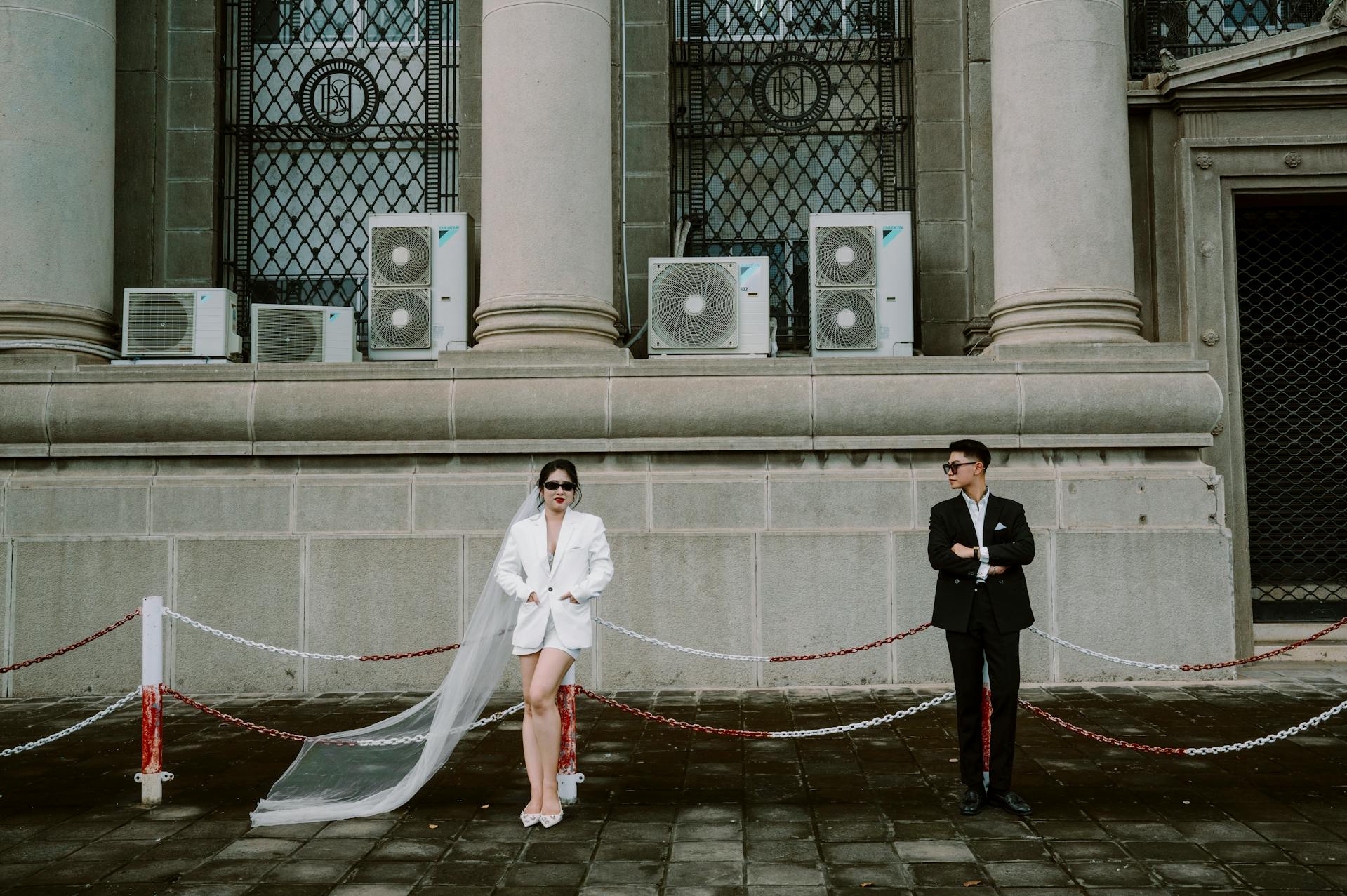
I’ve seen the other side too—the couples who didn’t optimize. The ones who chose messy and real over polished and impressive. My cousin and his wife come to mind. She’s not the girl who turns heads at parties. He’s not rolling in cash. They argue about money sometimes, sure. But they’ve got this quiet thing where they finish each other’s sentences without trying. They sit on the balcony after the kids are asleep and just… exist together. No performance. No scorecard. When I asked him once what he loved most about her, he shrugged and said, “She makes the ordinary feel like enough.” Not exactly a line that would crush on a dating profile, but damn if it doesn’t hit different when you’re actually living it.
That’s the part that stings when you’ve spent years optimizing the wrong things. You realize too late that peace was never going to be delivered by the hot body or the fat wallet. It was waiting in the small, unglamorous moments you skipped over while hunting for the next level-up. And now you’re left holding the bag—beautiful bag, expensive bag, but still just a bag—wondering why it feels so heavy and so empty at the same time.
We keep doing it because admitting the truth is brutal. Admitting that we traded depth for dazzle means looking in the mirror and owning the choices. It means accepting that maybe we were scared of real intimacy, scared of someone seeing the unfiltered version, scared that if we didn’t secure the “best” option we’d end up alone. So we optimized instead. Built the perfect illusion. Then watched it crumble and called it love’s betrayal.
The aggressive truth is this: love is still out there, patient as hell, waiting for you to stop treating it like a vending machine that only accepts looks and money. But it won’t chase you. It won’t optimize itself to fit your checklist. It shows up when you finally get honest about what you actually need—not what looks good in the photos or balances the bank account. Until then, you’ll keep losing your peace and keep blaming the one thing that never asked to be part of your bad investment strategy.
And yeah, that stings. It should. Because the moment you stop pointing fingers at love and start looking at the criteria you’ve been using, everything starts to shift. Not magically. Not overnight. But it shifts.
So here we are. You’ve stared at the mess you made, and the mirror isn’t being kind. Good. That sting you’re feeling? That’s the first honest thing that’s happened in a while. Now comes the part that actually matters: how the hell do you stop repeating the same mistake and finally find some real peace instead of another shiny upgrade that leaves you emptier than before.
I’m not going to hand you a ten-step checklist because life doesn’t work like that, and neither does love. What I will say is this: you have to start by getting brutally honest about what you actually value when no one is watching. Not what your friends clap for on Instagram. Not what your parents think will look good at family functions. Not what the algorithm keeps pushing because it knows you’ll keep scrolling. Just you, alone with your thoughts, asking: When the lights are off and the performance ends, what kind of person actually makes me feel calm in my own skin?
For me, that question hit hard after my own version of the Arjun story. I spent my late twenties chasing the “complete package”—the one who looked incredible in photos and had her career sorted. On the surface it felt like winning. Underneath it was exhausting. One evening, after yet another polite argument about why I didn’t want to attend another networking dinner where everyone was flexing, I caught myself thinking: I don’t even like who I become around this person. That was the turning point. Not some grand epiphany with violins playing. Just a quiet, slightly depressing realization that I had been optimizing for an audience that wasn’t even in the room most of the time.
The realistic fix starts with lowering the volume on the noise. Delete the apps for a while if you have to. Or at least stop treating them like a shopping cart. When you meet someone new, force yourself to notice the things that don’t show up in pictures. How do they talk about their failures? Do they ask you questions that actually require thought, or are they just waiting for their turn to impress? Can they sit through an awkward silence without reaching for their phone? These aren’t small things. They’re the early signals of whether peace has any chance of sticking around.
I remember meeting my wife in the most unglamorous way possible. No swiping, no curated profile. We were both at a friend’s very average house party. She spilled coffee on my shirt within the first ten minutes and instead of freaking out or laughing it off like it was cute, she just looked me dead in the eye and said, “Shit, I’m sorry. I’m clumsy when I’m nervous.” That honesty hit harder than any perfect smile ever could. We talked for hours about nothing important—bad movies, worse bosses, the weird comfort of rainy Sundays. There was zero peacocking. No subtle flexing of salaries or vacation destinations. Just two reasonably flawed people seeing if the conversation felt easy. Turns out it did. Still does, years later, even when money is tight or one of us is in a mood. The peace we have didn’t come because we optimized. It came because we stopped optimizing long enough to actually see each other.
That’s the uncomfortable solution nobody wants to hear: you have to willingly choose less impressive on paper sometimes. Not settle in the defeated, “I guess this is all I deserve” way. Choose deliberately. Pick the person who makes the everyday feel lighter instead of the one who makes the highlights feel heavier. The one whose laugh feels like home rather than the one whose body makes strangers jealous. The one who remembers how your mom takes her tea and actually cares about the answer.
It requires real courage, because it means risking looking basic to the outside world. Your friends might raise eyebrows. Your family might worry you’re “not aiming high enough.” Social media will keep serving you images of the optimized couples looking flawless, and you’ll have moments where you wonder if you’re missing out. That’s normal. That’s the detox talking. The peace you’re after doesn’t shout. It doesn’t trend. It shows up in the quiet decision to text someone “how was your day” and actually listen to the full answer, even when it’s messy and boring.
You also have to do the internal work that makes you stop needing external validation so badly. Why did looks and money become the main filters in the first place? Was it fear of being seen as average? Fear of ending up with less than your ex or your sibling? Fear that if you didn’t lock down the “best” option, you’d somehow lose the game? Getting honest about those fears is messy and slow. It might mean therapy, long walks where you argue with yourself, or simply sitting with the discomfort instead of swiping it away. But until you loosen the grip those fears have on you, you’ll keep optimizing for the same things and wondering why peace keeps ghosting.
Another realistic piece: accept that attraction and stability still matter, but they can’t lead the parade anymore. They get a seat at the table, just not the head. I’ve seen too many people swing to the opposite extreme—claiming they now only care about “soul connection” while ignoring basic compatibility on values or lifestyle. That’s just another form of denial. The sweet spot is somewhere in the middle: someone you’re genuinely drawn to, who can handle real life with you, but whose worth isn’t measured primarily by how good they look in photos or how much they earn. It’s less exciting to admit, but it’s where lasting peace actually lives.

And when you do find someone like that, protect it like it’s rare. Because it is. Don’t start keeping score again. Don’t let the old habits creep back in—“they’re great, but maybe I could do better if I just…” That voice is the same one that got you here in the first place. Shut it down. Invest in the small, unsexy habits that build real intimacy: saying sorry without excuses, choosing to stay curious instead of critical, making space for each other’s weirdness without trying to polish it.
I’m not promising you a fairy tale. Some days will still suck. Money stress will show up. One of you will have a bad hair day or a bad mood week. The difference is that when the surface stuff fades, there’s actually something underneath worth staying for. That’s what peace feels like—not constant fireworks, but the steady knowledge that you’re with someone who chose you for the same real reasons you chose them.
The last honest truth? This shift doesn’t happen because you read one blog post and suddenly see the light. It happens in the small, repeated decisions to value depth over dazzle. To swipe left on the perfect profile because the conversation felt empty. To stay in a moment that’s awkward instead of escaping to something shinier. To admit out loud, maybe even to the person you’re dating, that you’re trying to stop optimizing and start connecting.
Love isn’t blind. It’s been watching the whole time, waiting for you to stop treating it like a transaction. When you finally do, it doesn’t arrive with trumpets and perfect teeth. It arrives quietly, in the form of someone who makes your nervous clumsy moments feel safe. Someone whose ordinary Tuesday nights feel better than someone else’s luxury weekends.
That’s the peace you lost when you optimized everything else. And it’s still there, waiting for you to stop chasing the wrong metrics and start choosing the right person—not the best on paper, but the best for you.
It’s not easy. It’s not glamorous. But damn, it’s worth it.
And when you finally get there, you won’t need to blame love anymore. You’ll finally understand what it actually feels like.

Leave A Comment